Overview
Phantom Blade 0 emerges as an ambitious kung-fu action RPG that attempts to blend traditional wuxia storytelling with modern gaming sensibilities. Developed by S-Game, this prequel to the mobile game series takes a bold leap onto console and PC platforms, delivering a visually stunning experience that captures the essence of classic martial arts cinema while carving its own distinct identity in the crowded action RPG space.
Set in a dark, mystical version of ancient China, Phantom Blade 0 follows the journey of Soul, a member of a secret organization known as ‘The Organization,’ as he seeks revenge against those who betrayed him. The game promises deep combat mechanics, branching storylines, and a world steeped in Chinese mythology and folklore.
Story & Setting

The narrative foundation of Phantom Blade 0 rests on classic revenge themes, but it’s elevated by exceptional world-building and character development. The story unfolds in a realm where ancient Chinese mythology collides with supernatural elements, creating a backdrop that feels both familiar and refreshingly unique. Soul’s quest for vengeance serves as the primary driving force, but the game excels in weaving complex relationships and moral ambiguity throughout its approximately 40-hour campaign.
The dialogue writing deserves particular praise, with characters speaking in ways that feel authentic to the setting while remaining accessible to modern audiences. Voice acting, available in both Chinese and English, brings genuine emotion to key story moments, though some supporting characters can feel underdeveloped compared to the main cast.
The world-building creates an atmosphere that feels like stepping into a living, breathing martial arts epic, complete with political intrigue and supernatural mysteries that keep you invested beyond just the combat.
Environmental storytelling plays a crucial role, with each location telling its own story through architectural details, ambient sounds, and visual cues that reward observant players. From bustling market towns to mysterious mountain monasteries, every area feels purposefully crafted to enhance the overall narrative experience.
Gameplay
Combat forms the heart of Phantom Blade 0’s gameplay experience, and it largely succeeds in creating a system that feels both accessible to newcomers and rewarding for veterans. The fighting mechanics draw inspiration from both traditional fighting games and modern action RPGs, resulting in a hybrid system that emphasizes timing, positioning, and resource management.
Combat System
The game features three distinct weapon types, each offering unique movesets and combat approaches:
- Blade weapons focus on fast, precise strikes with excellent mobility options
- Heavy weapons deliver devastating damage at the cost of speed and stamina consumption
- Ranged options provide tactical advantages but require careful positioning
The Phantom abilities system adds supernatural elements to combat, allowing players to unleash devastating special attacks that can turn the tide of battle. These abilities consume a special resource that builds through successful combat performance, encouraging aggressive and skillful play.
Character Progression
Character development follows a node-based skill tree system that allows for meaningful customization without overwhelming complexity. Players can specialize in specific weapon types or create hybrid builds that adapt to different combat scenarios. The progression feels rewarding, with each upgrade providing noticeable improvements to combat effectiveness.
Equipment crafting and enhancement systems provide additional layers of customization, though they occasionally feel grindy during the mid-game portions. The variety of materials and upgrade paths ensures that players can tailor their gear to match their preferred playstyle.
Exploration and Side Content
While the main story provides the primary structure, Phantom Blade 0 offers substantial side content that ranges from simple fetch quests to complex multi-part storylines. Some of these diversions rival the main quest in terms of narrative quality and combat encounters, though others feel like padding designed to extend playtime.
Graphics & Sound
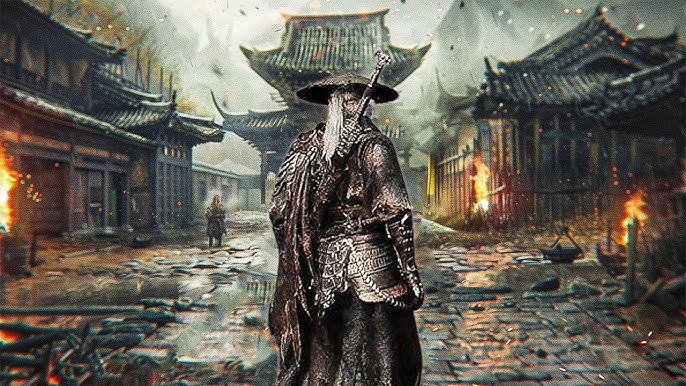
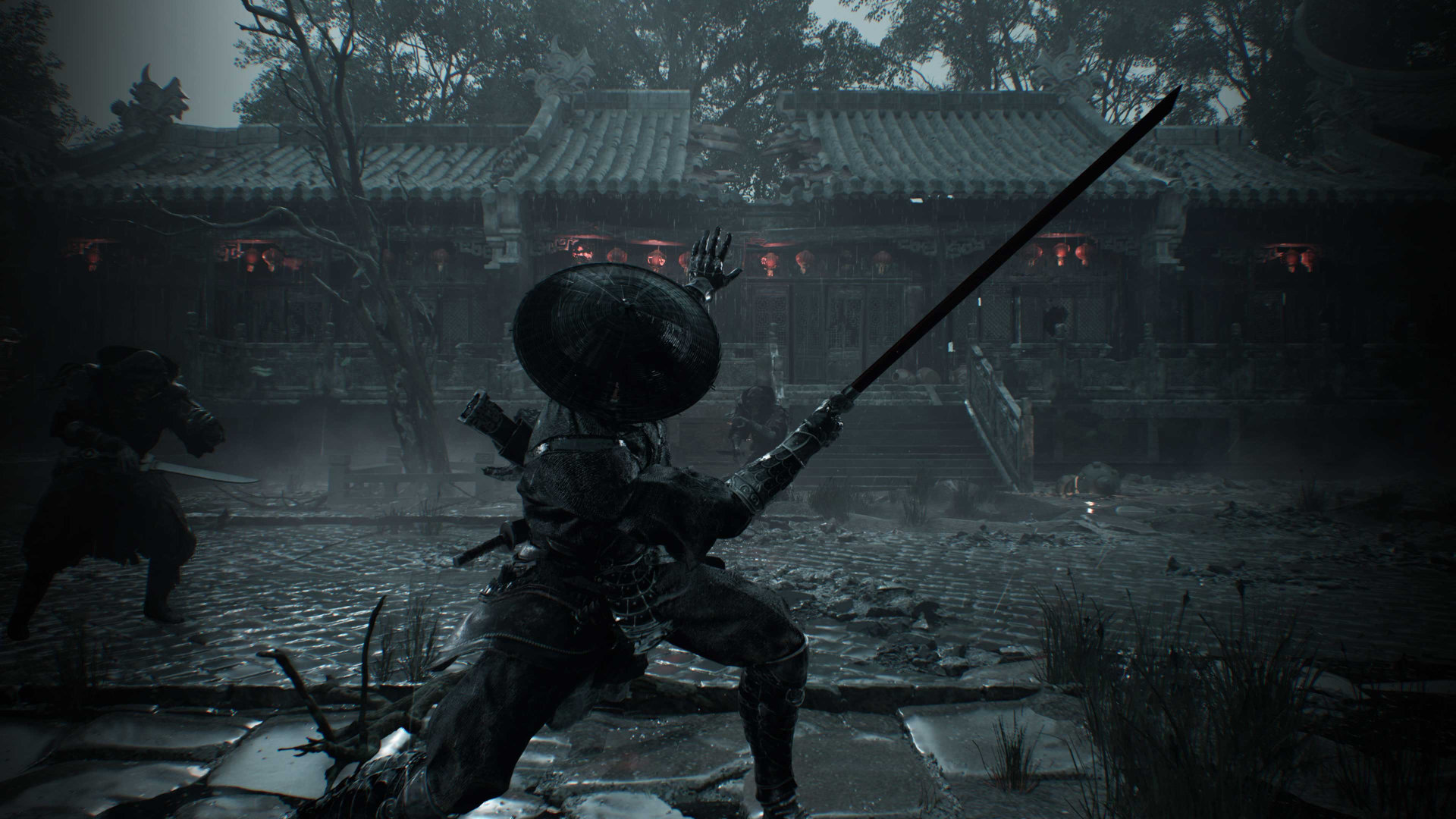
Visually, Phantom Blade 0 stands as one of the most impressive indie action RPGs in recent memory. The art direction successfully captures the essence of classical Chinese aesthetics while incorporating modern visual effects that enhance rather than overshadow the core design philosophy.
Visual Design
Character models display exceptional attention to detail, with fluid animations that make combat encounters feel dynamic and impactful. Environmental design varies in quality, with some areas showcasing breathtaking vistas and intricate architectural details, while others feel somewhat sparse by comparison.
The game’s use of lighting and particle effects creates atmospheric moments that genuinely enhance the storytelling experience. Weather systems and day/night cycles add visual variety, though they don’t significantly impact gameplay mechanics.
Audio Experience
The musical score deserves special recognition for its authentic instrumentation and emotional range. Traditional Chinese instruments blend seamlessly with orchestral arrangements to create soundscapes that perfectly complement both quiet character moments and intense combat sequences.
Sound design effectively supports the combat system, with weapon impacts, environmental audio, and ability effects providing clear audio feedback that helps players understand combat timing and positioning. Voice acting quality varies between languages, with the Chinese voice work generally providing more authentic emotional delivery.
Performance
Technical performance on PC proves generally stable, though some optimization issues become apparent during large-scale combat encounters. Frame rate drops occasionally occur in densely populated areas, but these issues rarely impact core gameplay significantly.
Loading times remain reasonable across different storage types, with SSD installations providing noticeable improvements for area transitions. The game supports various graphics options that allow players to balance visual quality with performance based on their hardware capabilities.
Console versions maintain more consistent performance profiles, with the PlayStation 5 version particularly benefiting from the platform’s fast storage and processing capabilities. Minor bugs exist but nothing game-breaking was encountered during review period.
System Requirements
Key Features
- ✓ Deep kung-fu combat system with multiple weapon types
- ✓ Rich story campaign set in mystical ancient China
- ✓ Phantom abilities system with supernatural powers
- ✓ Extensive character customization and progression
- ✓ Authentic Chinese-inspired art direction and music
- ✓ 40+ hour single-player campaign with side quests
Verdict
Phantom Blade 0 succeeds in creating a compelling action RPG experience that honors its cultural inspirations while providing engaging gameplay for modern audiences. The combat system, while occasionally unforgiving, rewards skillful play and offers enough depth to maintain interest throughout the lengthy campaign.
The game’s greatest strengths lie in its atmospheric world-building, solid combat mechanics, and genuine respect for its source material. However, some pacing issues, particularly during the middle sections, and occasional technical hiccups prevent it from achieving true greatness.
Despite its flaws, Phantom Blade 0 represents a promising evolution for the series and demonstrates that indie developers can create experiences that rival big-budget productions when passion and vision align properly.
Players seeking a mature, story-driven action RPG with distinctive cultural flavor will find much to appreciate here. While it may not revolutionize the genre, Phantom Blade 0 executes its vision with enough skill and authenticity to earn a solid recommendation for fans of kung-fu cinema and action RPGs alike.
The game ultimately delivers an experience that feels both familiar and fresh, providing enough content and replay value to justify its asking price while laying a strong foundation for future entries in the series.