

NASA and Netflix Join Forces to Stream Space Missions
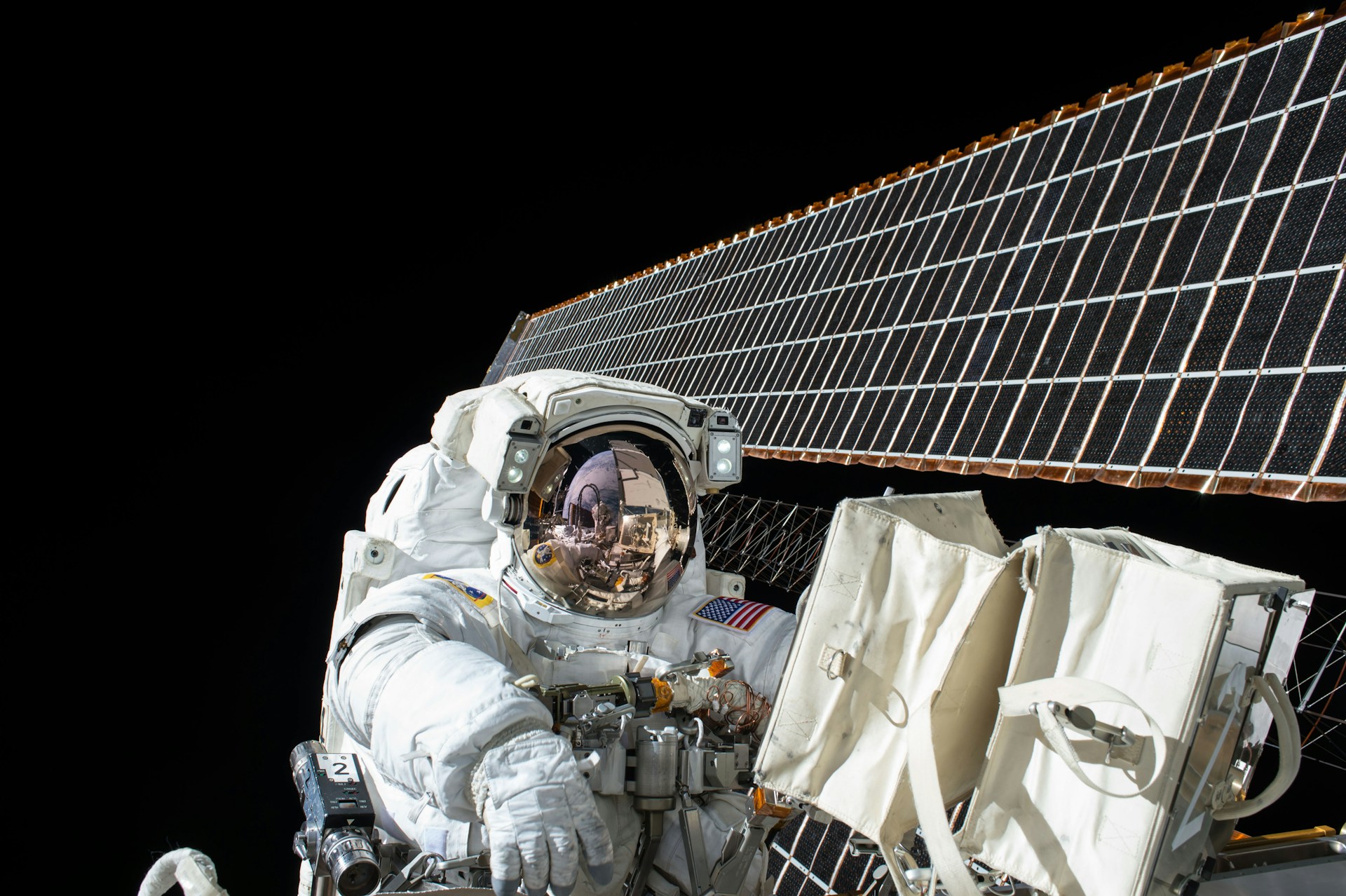
NASA has announced a groundbreaking partnership with Netflix to bring live rocket launches, spacewalks, and stunning Earth views from the International Space Station directly to the streaming platform. These broadcasts are expected to roll out later this summer.
Making Space More Accessible Than Ever
As part of this collaboration, Netflix users — across all membership tiers — will gain access to NASA+ live feeds. With over 700 million users worldwide, the move aims to deliver cosmic content to the widest audience possible.
A Mission to Inspire Future Generations
“The National Aeronautics and Space Act of 1958 calls on us to share our story of space exploration with the broadest possible audience,” said Rebecca Sirmons, general manager of NASA+.
“Together, we’re committed to a Golden Age of Innovation and Exploration – inspiring new generations – right from the comfort of their couch or in the palm of their hand from their phone.”
NASA+ Remains Free and Ad-Free
Despite the collaboration, NASA+ will continue to operate as a free, ad-free service via the NASA app and official website, where users can also access documentaries and original programs alongside the new live content.
A Bold Step into Living Rooms Around the World
According to Netflix, “By hitching a ride on that starship-sized audience, NASA isn’t just widening the lens on its missions – it’s flinging the hatch open.” The company emphasized how this partnership places space exploration into one of the most familiar spaces on Earth: the living room.
A New Era of Digital Space Engagement
NASA has long embraced digital media — from video and audio to social and real-time events. This new step integrates its work deeper into popular culture and makes science and discovery more accessible than ever.