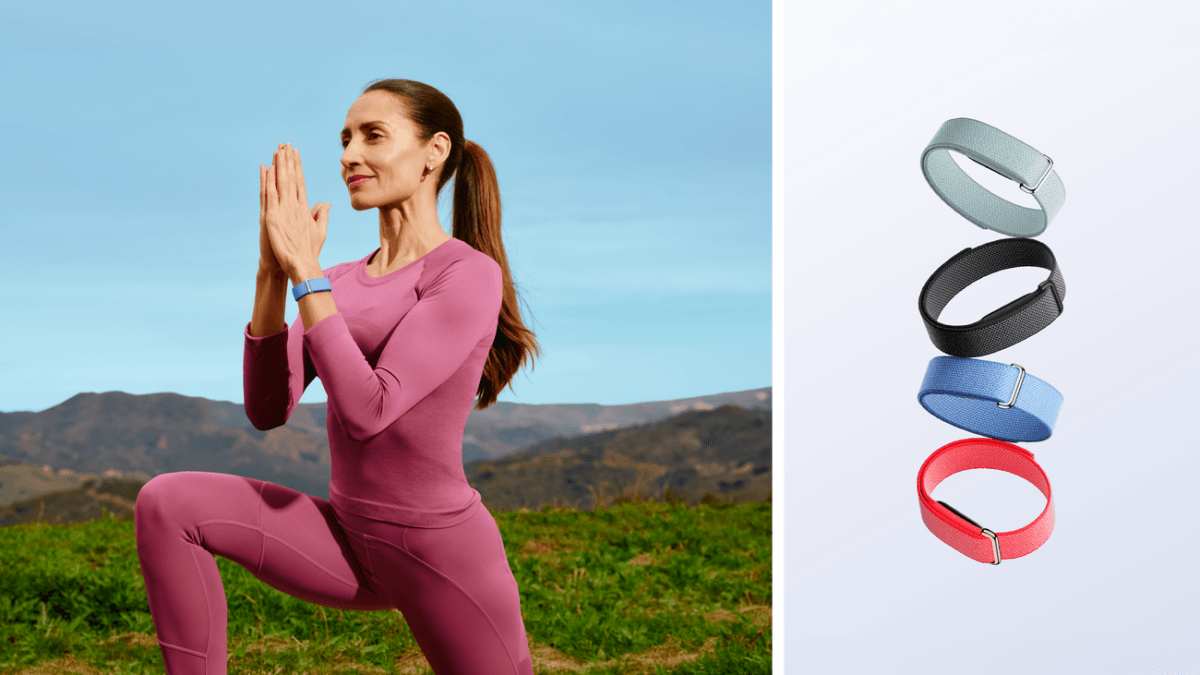
Google opened pre-orders for the Fitbit Air on May 7, the first new Fitbit-branded hardware since the platform was folded into Google Health earlier this year. It is a screenless wrist tracker that costs $99, ships in late May, and reads as Google’s most direct attempt yet to undercut WHOOP's subscription-only model.
The Air drops the display entirely. There is no watchface, no notifications surface, no quick-glance step count on the wrist — everything lives in the new Google Health app on a paired phone. In return, Google quotes up to a week of battery life, with a five-minute top-up good for a full day. The sensor stack covers 24/7 heart rate, SpO2, skin temperature, heart rate variability, sleep stages, and irregular-rhythm alerts that flag possible AFib.
Subscription stays optional
The headline differentiator from WHOOP is pricing. WHOOP's 5.0 band is hardware-bundled with a mandatory membership starting at $199 a year. The Fitbit Air ships with three months of Google Health Premium and the new Google Health Coach, and after the trial ends the device keeps working: heart rate, sleep, SpO2, AFib screening and activity history all stay in the free tier. Coach personalization and longer-term insights move behind the paywall.
A Stephen Curry Special Edition with a rye-brown band and orange accents goes on sale alongside the standard model at $129.99. Accessory bands start at $34.99 across three families — Performance Loop, Active Band, and Elevated Modern Band.
Where it lands
Against the Oura Ring Gen 4 ($349, finger), the Fitbit Air is half a tier down on sleep granularity but a fraction of the price. Against the Apple Watch SE or a Pixel Watch 4, it loses every smartwatch feature but wins on battery, weight and the no-subscription baseline. The interesting test will be how Google's AI-powered Health Coach reads next to Whoop's human coaching layer once full reviews land later this month.