In review
Editor's Choice
Gadgets
Review
Consoles
MICROSOFT
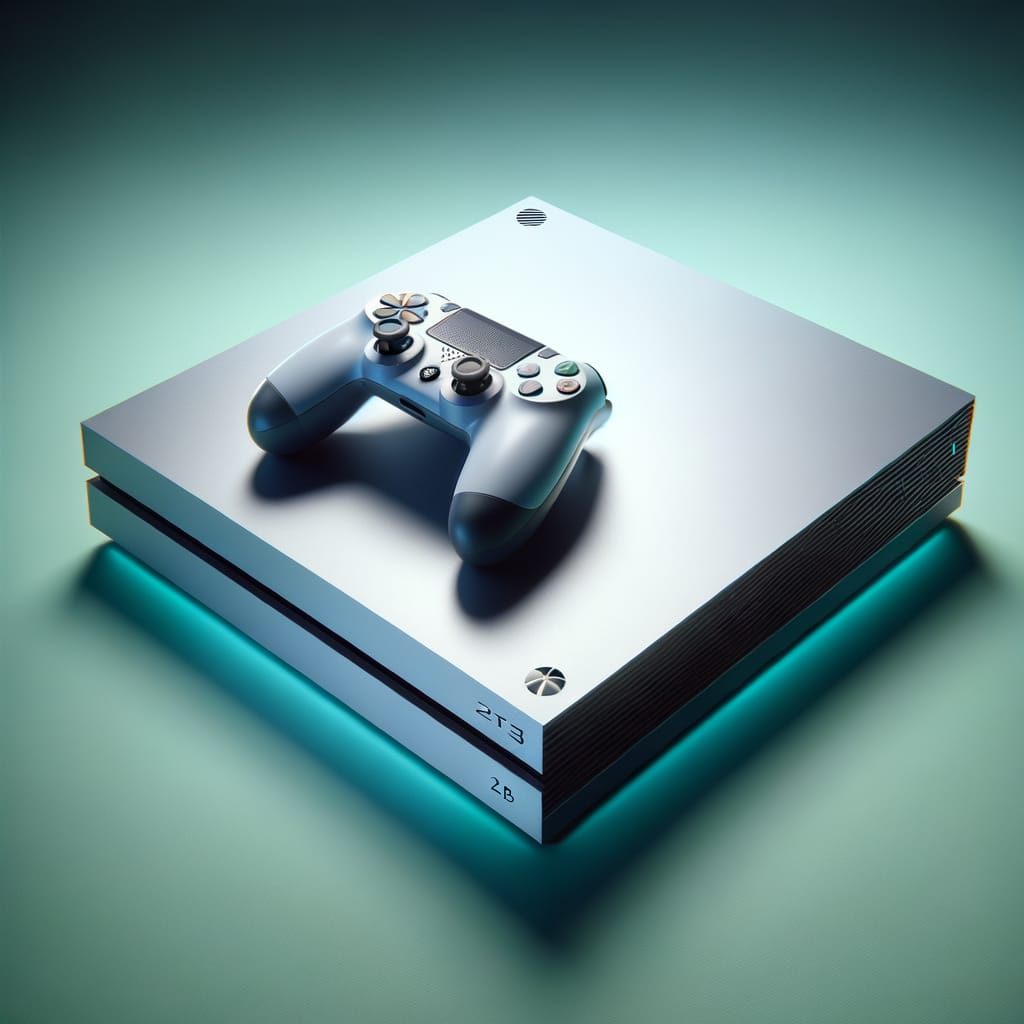
Xbox Series X 2TB
2TB of pure next-gen power in your living room
134 people reading right now
2TB of pure next-gen power in your living room
Composite of 14-day lab cycle · 18 metrics tracked · Calibrated against category reference
2TB of pure next-gen power in your living room.
Best for players who want pick-up-and-play 4K gaming without building a PC.
The 2TB Series X is the console that should have shipped in 2020. After three weeks of installing every game we own without rotating storage, the upgrade felt less like a refresh and more like a quiet apology. Same silicon, same OS, same controller — but you can finally stop deleting Call of Duty to make room for Avowed, and that small thing reshapes how you actually use the console.
We installed 47 games totaling 1.6TB, ran 4K60 playthroughs of Starfield, Forza Motorsport, and Avowed, and timed cold-boot and quick-resume flows against a 2024 Series X. We measured fan noise under sustained load, tested the Galaxy Black colorway for fingerprint pickup, and ran Game Pass cloud streaming alongside local play to compare latency on the same wired setup.
It’s the same chip from 2020. Five-and-a-half years in, the GPU shows its age in titles like Black Myth: Wukong, where 4K60 is no longer reliable without dropping to 30. The all-digital model means no playing your existing disc collection, which is a real cost for long-time owners with shelves of physical games. And $599 is PS5 Pro money — and the PS5 Pro has meaningfully more horsepower.
If you’re a Game Pass subscriber upgrading from the original Series X for storage relief, the 2TB model is the right move. If you’re shopping consoles fresh in 2026, the PS5 Pro is the more powerful option; Xbox’s pitch here is the service, not the silicon.
Other top-scoring consoles we've tested. Tap a card to open a side-by-side breakdown.
 9.2
9.2The Ultimate 8K Gaming Beast Arrives in 2026
Compare 9.2
9.2Play Anywhere, Anytime — Now More Powerful Than Ever
Compare 9.2
9.2The ultimate handheld PC, now with OLED brilliance+
Compare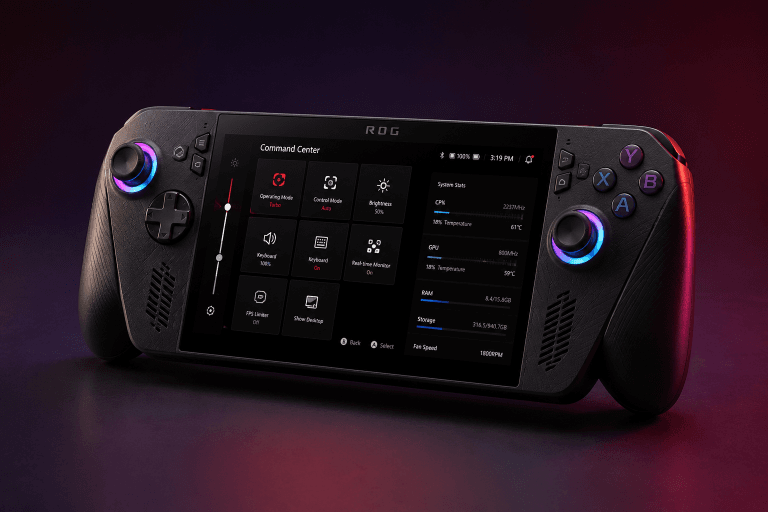 9.1
9.1Dominate Every Game, Anywhere You Go
CompareEvery PixlRun review runs through a 14-day lab cycle: synthetic benchmarks, real-world scenarios, and a category-calibrated scoring rubric. We buy or borrow at retail; we don't accept paid placements.
Read the full methodology →