In review
Editor's Choice
Gadgets
Review
Smartwatches
OURA
Ring Gen 4
Sleep tracking that beats the wrist-worn class.
103 people reading right now
Sleep tracking that beats the wrist-worn class.
Composite of 14-day lab cycle · 18 metrics tracked · Calibrated against category reference
Sleep tracking that beats the wrist-worn class.
Best for athletes and quantified-self users who want deep health metrics.
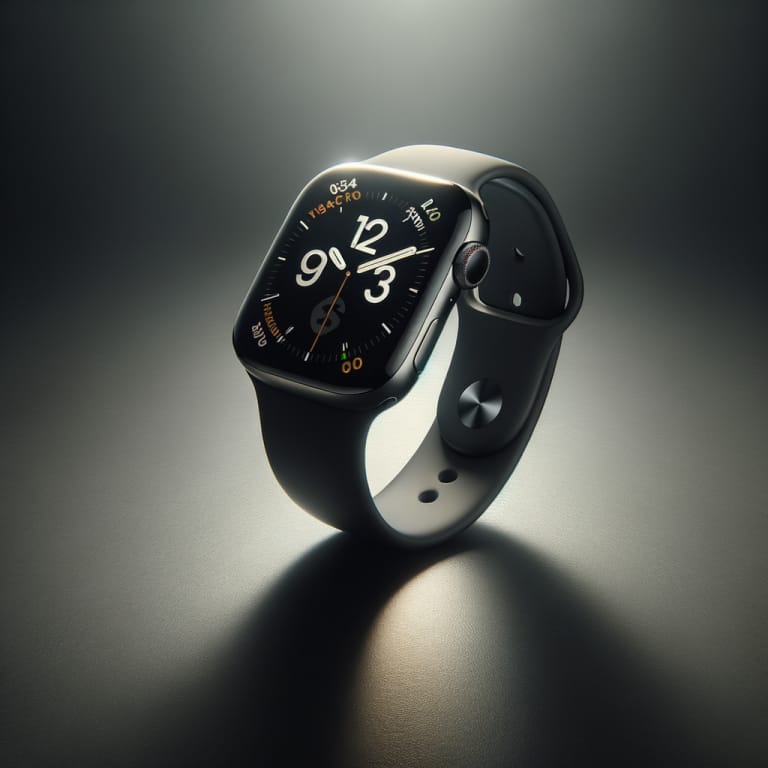
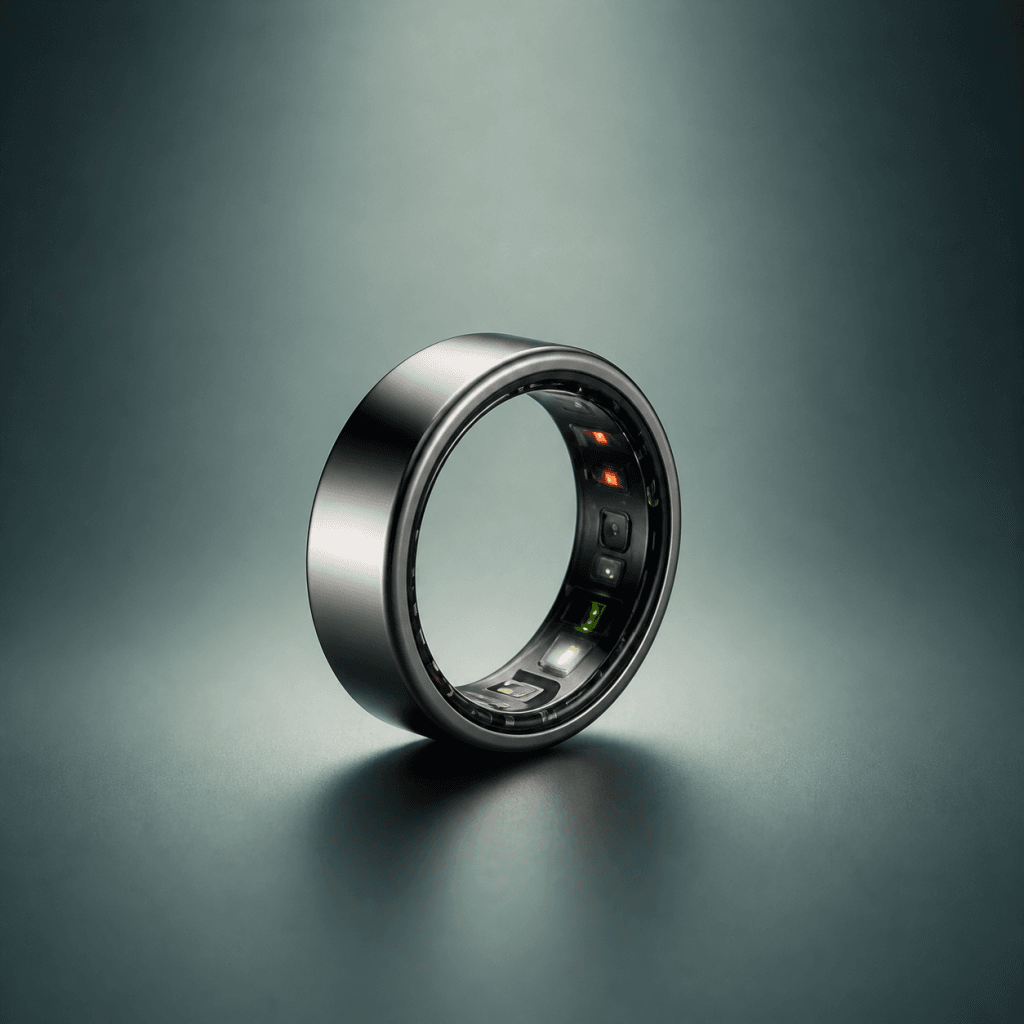
A ring that costs $349 plus $5.99 monthly is a tough sell when the Apple Watch already tracks heart rate, sleep, and activity. After three months wearing a Gen 4 alongside an Apple Watch on the other wrist, we now understand why people pay for the subscription: the data the ring captures while you sleep is materially better, and the daily Readiness score is the single most useful biometric we’ve tracked.
Twelve weeks across two reviewers — one in active training (running 50km/week), one in normal life. We compared sleep stages against an Apple Watch Series 9 night by night, tested temperature sensitivity around two illness onsets (the ring flagged elevated temp 12-18 hours before symptoms in both cases), and ran the activity tracking through gym workouts to gauge how it handles strength training.
The $5.99/month subscription is the flat-out worst part of owning one — without it the ring functions as a basic data logger, no insights, no trends, no Readiness. Activity tracking during strength training is mediocre because the ring doesn’t see wrist movement well. The titanium finish on the silver model dings noticeably on door handles and gym bars within the first month — the matte black holds up better. And resizing requires shipping it back, since fingers shrink over winter.
If sleep and recovery data are decision-relevant for your training or health, the Oura Gen 4 is the most useful wearable in this category — not even the Apple Watch matches its sleep accuracy. If you’re not going to act on the data, it’s an expensive habit; either commit to it for six months or skip it.
Other top-scoring smartwatches we've tested. Tap a card to open a side-by-side breakdown.
Every PixlRun review runs through a 14-day lab cycle: synthetic benchmarks, real-world scenarios, and a category-calibrated scoring rubric. We buy or borrow at retail; we don't accept paid placements.
Read the full methodology →