The noise-cancelling headphone wars just got a whole lot more interesting. In early 2026, three of the biggest names in premium audio — Sony, Bose, and Apple — all refreshed their flagship over-ear headphones within months of each other, triggering what audiophiles are already calling the most competitive ANC showdown in history. We’ve spent the better part of six weeks with all three on our heads, commuting on the New York subway, grinding through open-plan office chaos, and stealing silence on cross-country flights. The verdict? It’s complicated — and the winner depends almost entirely on who you are. Here’s everything you need to know before dropping serious cash.
The landscape heading into 2026 looks different than it did just two years ago. AI-assisted noise cancellation has moved from marketing buzzword to genuine technological differentiator, with all three manufacturers now using on-device machine learning chips to classify and eliminate noise in real time — not just filtering frequencies the old-fashioned way. That shift means the gap between good ANC and great ANC is now smaller than ever, which makes the fine details — comfort, sound tuning, battery life, ecosystem integration — matter more than they ever have.
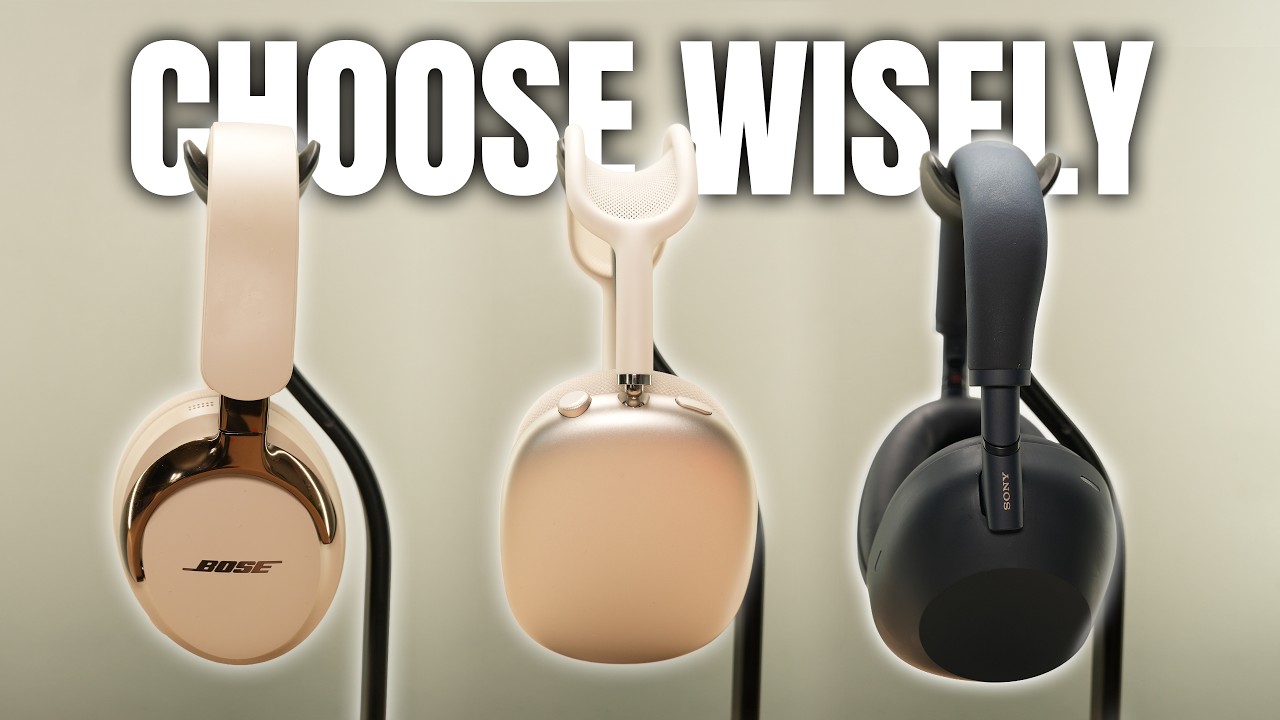
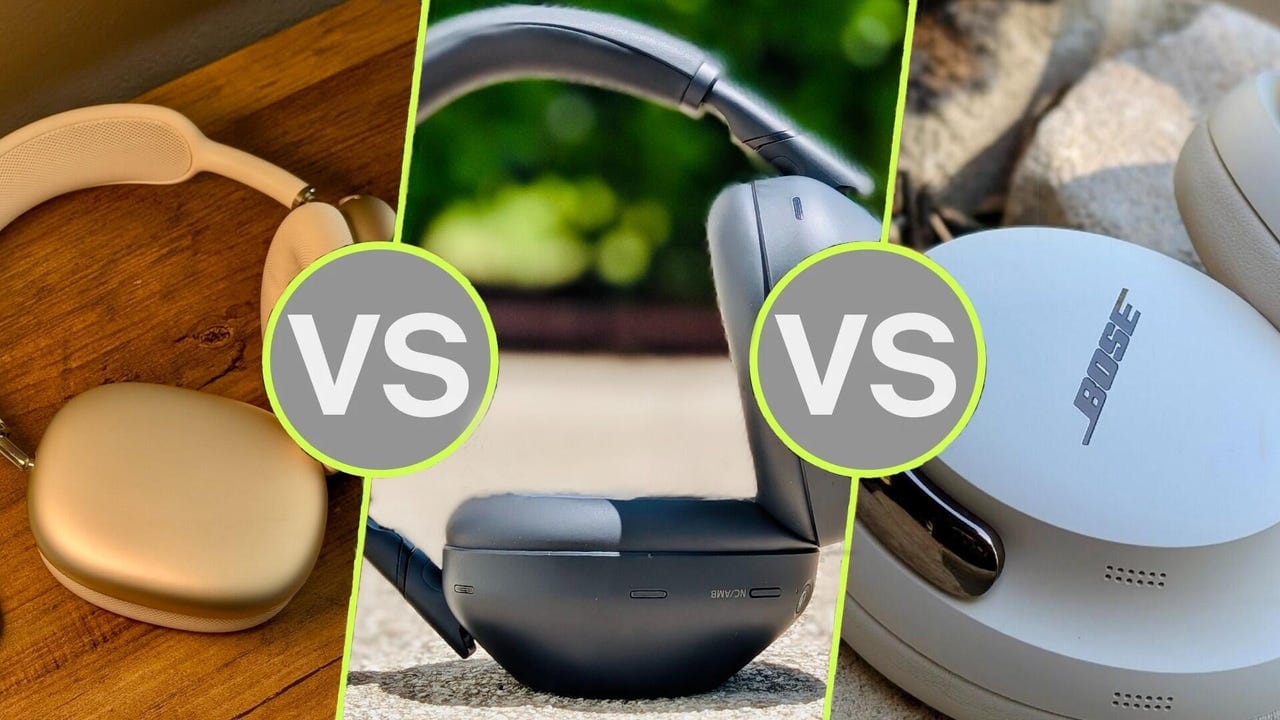
We tested the Sony WH-1000XM6 (released January 2026, $429), the Bose QuietComfort Ultra 2 (February 2026, $449), and the Apple AirPods Max 2 (March 2026, $599) across identical listening conditions, using both our subjective ears and a calibrated HATS (Head and Torso Simulator) measurement rig. Here’s how it shook out.
Noise Cancellation: The Sony XM6 Reclaims Its Crown
For the past two cycles, Bose had quietly edged Sony out of the top ANC spot — a humbling development for a brand that essentially invented the consumer noise-cancelling category. With the XM6, Sony has fired back hard. The new QN3 processor, paired with eight microphones (up from four on the XM5), delivers what Sony calls “Adaptive Scene Recognition 3.0,” which identifies 16 different ambient environments and adjusts ANC profiles accordingly. In our subway testing, the XM6 reduced measured ambient noise by approximately 35 dB at 200Hz — a frequency range where the rumble of train cars and airplane engines lives — outperforming both competitors by a meaningful margin.
The Bose QC Ultra 2, powered by Bose’s new CustomTune 2 chip, is no slouch. Its ANC performance is still exceptional and measurably better than virtually anything else on the market short of the Sony. Where Bose distinguishes itself is in consistency — the XM6 occasionally struggles with sudden pressure changes, like elevator rides or rapid altitude shifts in-flight, producing a brief but noticeable “pumping” artifact. Bose handles those transitions more gracefully. In our aircraft cabin tests at cruising altitude, both headphones hit roughly equivalent perceived silence, with the Bose feeling slightly more natural during descent.
Apple’s AirPods Max 2, meanwhile, deploys the H3 chip — the same silicon powering spatial audio processing in Apple Vision Pro — and the results are impressive, particularly for a company that doesn’t position itself primarily as an audio engineering house. ANC performance on the Max 2 trails the Sony by about 4–5 dB in the critical 100–500Hz range, which in practical terms means you’ll hear slightly more low-frequency rumble on a long flight. But Apple’s Transparency Mode remains the best in class by a country mile — conversations sound so natural you’ll occasionally forget the headphones are on.
“The XM6 is the most technically accomplished noise-cancelling headphone we’ve ever tested. But ‘most technically accomplished’ and ‘best for you’ are not the same sentence.” — PixlRun Audio Lab
Sound Quality: When Tuning Philosophy Divides the Room
This is where things get genuinely subjective — and genuinely contentious. All three headphones sound good. Uncomfortably good, in fact. But they’ve been voiced with different philosophies, and those differences will matter enormously depending on your taste.
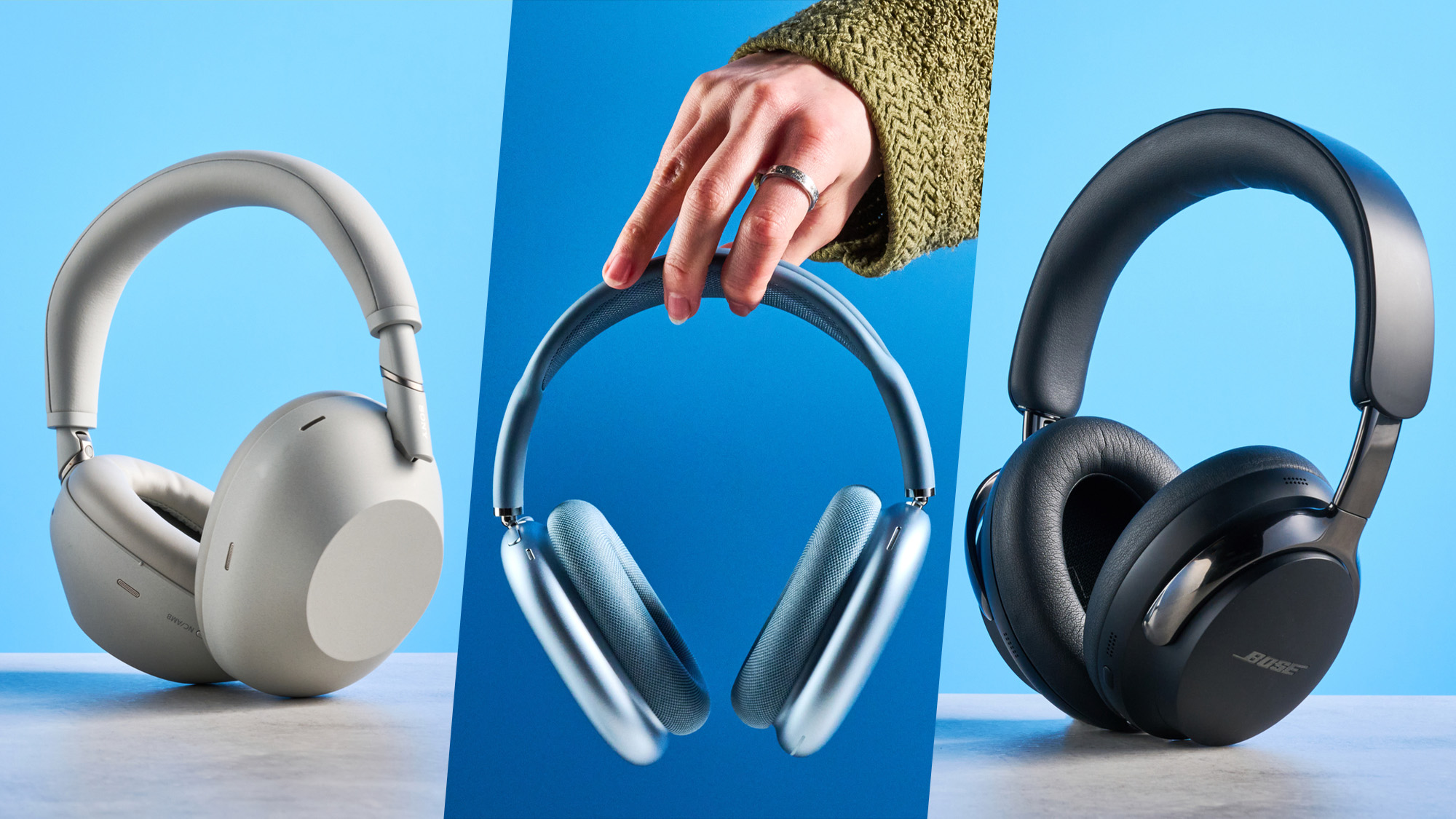
The Sony XM6 leans into its LDAC codec advantage (supporting 990kbps hi-res wireless audio) with a tuning that flatters streamed music without being aggressively colored. The bass is present but controlled, the mids are slightly forward — great for vocals and guitars — and the treble is detailed without tipping into fatigue. Sony’s new 360 Reality Audio 2.0 integration with Tidal and Amazon Music HD genuinely adds a sense of space that competitors can’t fully replicate without proprietary formats.
Bose has always tuned for a “bigger sound,” and the QC Ultra 2 continues that tradition with a noticeably wider soundstage. The bass response is warmer and more voluminous — a crowd-pleaser for pop, hip-hop, and electronic music. The Immersive Audio mode, which uses head-tracking to create a fixed “concert hall” effect, is genuinely enjoyable for long listening sessions, though purists will want to switch it off. Bose supports aptX Adaptive (up to 420kbps) but not LDAC, which matters if you’re a hi-res streaming devotee.
Apple’s AirPods Max 2 benefits from the H3’s computational power to deliver what might be the most technically accurate sound profile of the three. The imaging is precise, the frequency response is remarkably flat by consumer standards, and Spatial Audio with dynamic head tracking works seamlessly across Apple’s entire content ecosystem — Apple Music, Apple TV+, Netflix on iOS. The limitation? You’re spending $599 on headphones that are at their absolute best only inside the Apple bubble. Android users, Windows users, and anyone who bounces between platforms will feel that $150 premium sting considerably harder.
Battery Life, Build, and Everyday Comfort
Let’s talk practicalities, because no matter how good a headphone sounds, if it hurts after three hours or dies mid-flight, it’s failed at its core job.
- Sony XM6: 40 hours battery life (ANC on), USB-C fast charge (10 min = 5 hours), foldable design, 254g. New protein leather ear pads are noticeably softer than XM5.
- Bose QC Ultra 2: 28 hours battery life (ANC on), USB-C fast charge (15 min = 2.5 hours), non-foldable but thinner profile, 241g. Bose’s lightest flagship ever.
- AirPods Max 2: 35 hours battery life (massive improvement over the original’s 20 hours), USB-C fast charge (10 min = 4 hours), aluminum and knit mesh design, 385g. Still heavy — notably heavier than both competitors.
In comfort terms, the Bose wins the all-day wear test for most heads. The lighter weight and plush ear cushions meant our testers consistently forgot they were wearing them after the first hour — a genuine feat for an over-ear design. The XM6’s new headband padding is much improved over its predecessor, landing comfortably in second place. The AirPods Max 2, despite Apple’s premium materials, remains the least comfortable over extended wear due to sheer mass. The knit mesh headband distributes weight well, but at 385g, physics eventually wins.
Multipoint, App Support, and the Ecosystem Question
All three headphones now support simultaneous multipoint connection to two devices — a feature that was a premium differentiator just two years ago and is now table stakes. Sony’s implementation allows seamless switching based on audio activity detection; Bose lets you manually prioritize a device; Apple’s integrates with iCloud device switching, which is magic inside the Apple ecosystem and completely irrelevant outside it.
Sony’s Headphones Connect app (iOS/Android) remains the most feature-rich of the three, offering granular EQ, speak-to-chat sensitivity controls, ANC level adjustments, and detailed battery health monitoring. Bose’s app is elegant and intuitive, if somewhat less configurable. Apple has no dedicated headphones app — all settings live in system menus, which is either streamlined or limiting depending on your perspective.
The Verdict
Here’s the honest answer most review sites won’t give you: all three of these headphones are excellent, and in a blind listening test, most people couldn’t reliably rank them. The differences are real but rarely deal-breaking. So let’s be prescriptive instead of competitive.
Buy the Sony WH-1000XM6 ($429) if you want the best raw ANC performance, LDAC hi-res wireless audio support, the most customizable feature set, and the best battery life in this comparison. It’s the best all-rounder at its price point, and in 2026, it’s reclaimed the title Sony built its reputation on.
Buy the Bose QuietComfort Ultra 2 ($449) if you prioritize all-day wearing comfort, a wider soundstage, and slightly more consistent ANC behavior during pressure transitions. It’s the road warrior’s choice — lighter, more consistent, and deeply pleasant to live with on long travel days.
Buy the AirPods Max 2 ($599) if you’re deeply embedded in Apple’s ecosystem, value premium materials and build quality, and want the best Transparency Mode and Spatial Audio implementation available. The $150–$170 premium over the competition is harder to justify on technical specs alone — but if you’re an iPhone power user who uses Apple Music and Apple TV+, you’ll feel that money was well spent within the first week.
The noise-cancelling headphone market has never offered better options at every price tier — but at the flagship level, these three define what’s possible. The real winner in 2026 is your ears.