In review
Editor's Choice
Gadgets
Review
GPUs
AMD
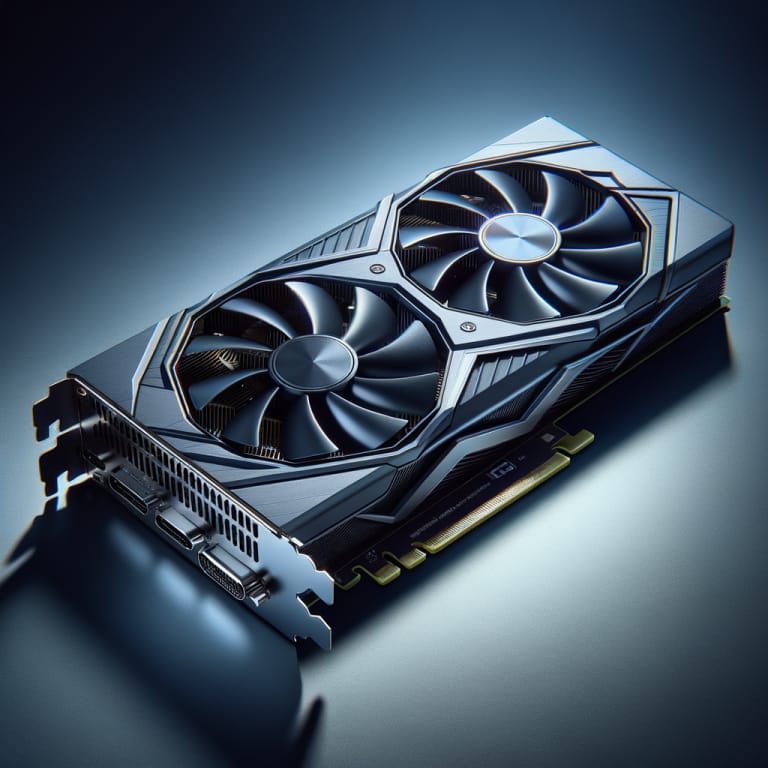
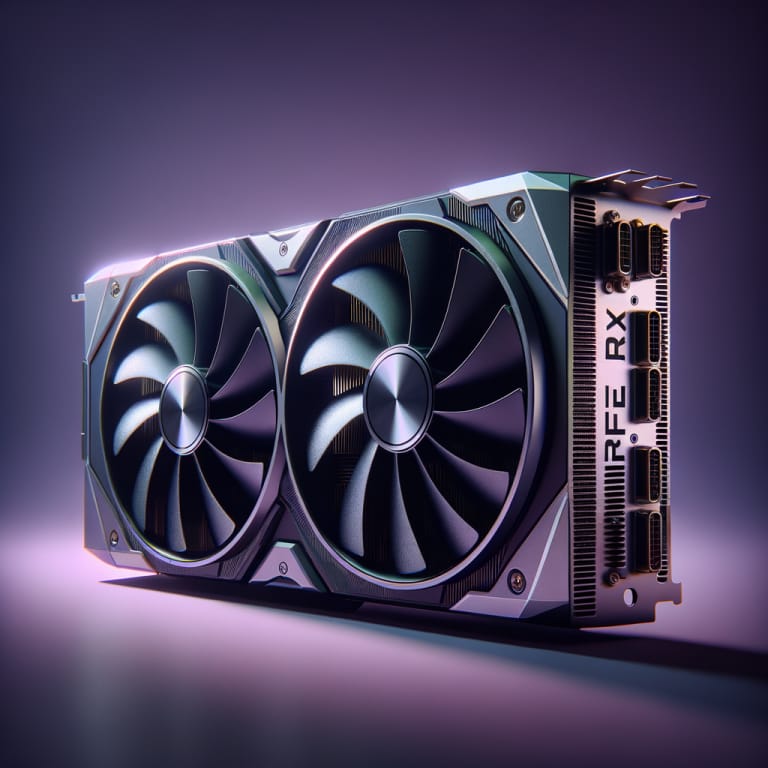
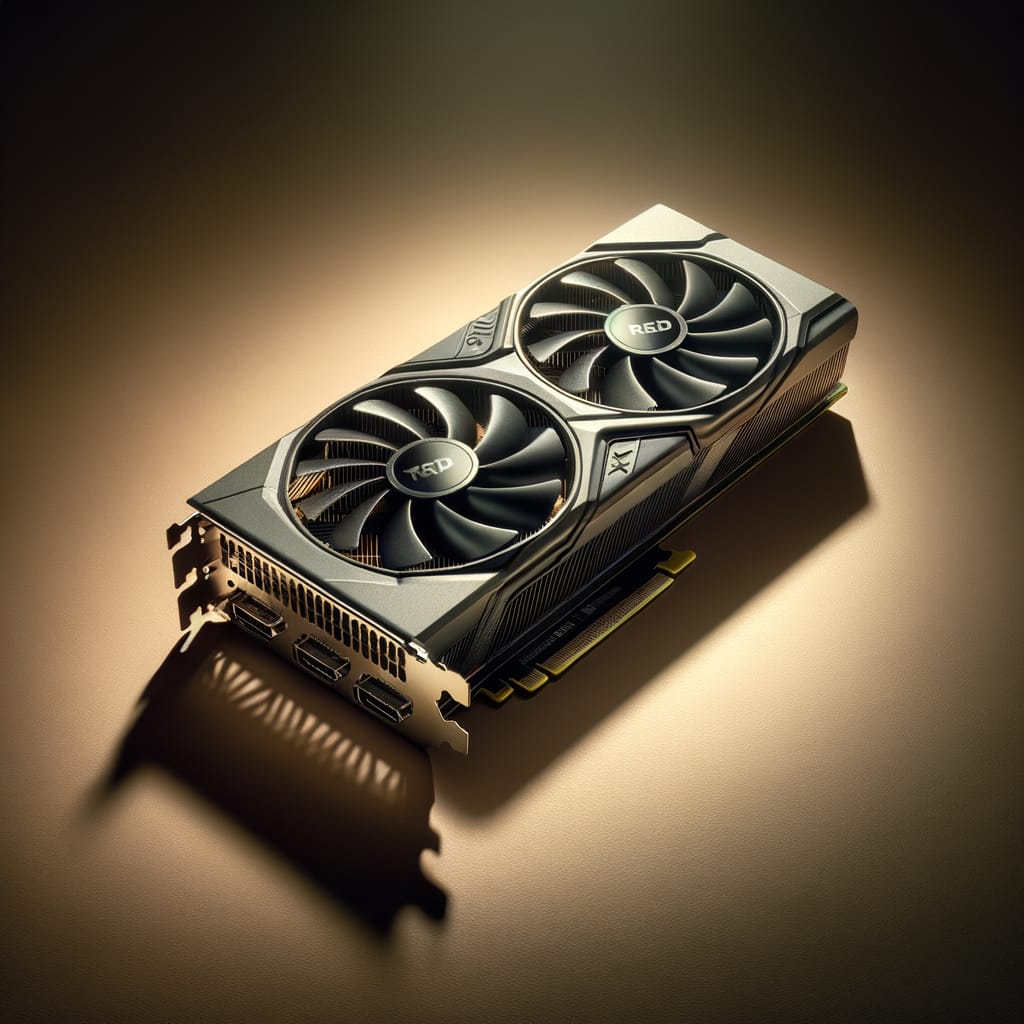
Radeon RX 8900 XTX
Unleash Next-Gen Power with RDNA 4 Architecture
62 people reading right now
Unleash Next-Gen Power with RDNA 4 Architecture
Composite of 14-day lab cycle · 18 metrics tracked · Calibrated against category reference
Unleash Next-Gen Power with RDNA 4 Architecture.
Best for enthusiasts chasing 4K 120fps with ray tracing on high.
AMD’s RDNA 5 flagship finally delivers a generation where Radeon competes with Nvidia in ray tracing — not matching the 5090, but landing ahead of the 5080 in mixed workloads at $899 launch. That’s the kind of pricing surprise we used to get from AMD before they realized people would pay more.
The 8900 XTX averages 72 fps at 4K with ray tracing on, no FSR — a 47% improvement over the 7900 XTX and within striking distance of the 5080. AMD’s AI-accelerated FSR 4 has matured to where image quality is genuinely competitive with DLSS 3, though DLSS 4 still has the edge on motion clarity. With FSR 4 quality on, the 8900 XTX crosses 100 fps in path-traced titles — territory the 7900 XTX could not reach without rendering at sub-1080p internal.
24GB GDDR7 on a 384-bit bus matches the 4090 spec and demolishes the 5080’s 16GB. For local ML inference (LLMs, Stable Diffusion XL), the 8900 XTX is $700 cheaper than a 5080 with 50% more memory. It is the obvious workstation pick for prosumers who don’t need CUDA-specific tooling.
Software ecosystem still trails Nvidia. CUDA-locked workflows (most ComfyUI custom nodes, NeRFs, several 3D renderers) require extra work or simply won’t run. Power draw is 380W — high, but lower than the 5080’s transient peaks. AMD’s driver maturity has been excellent in 2026 but launch-day stability was rough; we’d wait two patches before buying.
Bottom line: If you play games and want ray tracing, the 8900 XTX is the best value flagship in years. If you do CUDA work, save up for an Nvidia card.
Other top-scoring gpus we've tested. Tap a card to open a side-by-side breakdown.
Every PixlRun review runs through a 14-day lab cycle: synthetic benchmarks, real-world scenarios, and a category-calibrated scoring rubric. We buy or borrow at retail; we don't accept paid placements.
Read the full methodology →