ISSUE № 219 · MAY 13, 2026
NEW · 75 films added with full TMDB metadata PLAY · 51 browser games — chess, 2048, snake, more BEST · Hand-picked AI tools updated weekly COMPARE · Phones, laptops, headphones — side by side SWAP · 600+ apps with free open-source alternatives NEW · 75 films added with full TMDB metadata PLAY · 51 browser games — chess, 2048, snake, more BEST · Hand-picked AI tools updated weekly COMPARE · Phones, laptops, headphones — side by side SWAP · 600+ apps with free open-source alternatives
Home / Gadgets / Cameras / DJI Osmo Pocket 4
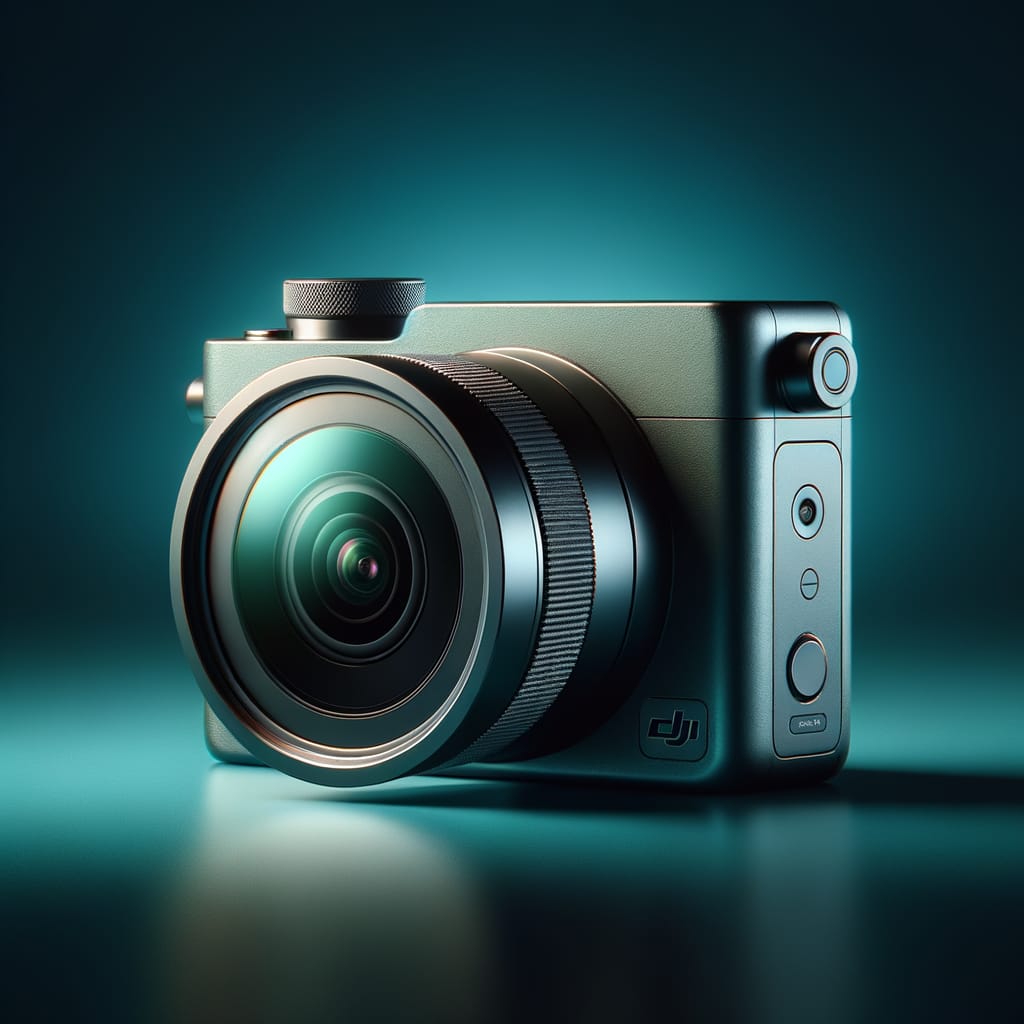
DJI Osmo Pocket 4
In review
Editor's Choice
Gadgets Review Cameras
DJI

Osmo Pocket 4

Pocket-sized perfection for creators on the move

Brand DJI Released 2026 From $449
297 people reading right now
Overall score · 14-day lab cycle
9.2/10
Editor's Choice

Composite of 14-day lab cycle  ·  18 metrics tracked  ·  Calibrated against category reference

Image quality 8.8
Autofocus 9.0
Video 9.4
Lens system 8.4
Build 9.0
Value 9.4

The verdict, in one minute

For the skim-reader
Buy if

You match the brief

  • Stunning 1-inch sensor in ultra-compact form, 8K video recording at 30fps, AI-powered subject tracking 3.0, Vastly improved low-light performance
Best for

Pocket-sized perfection for creators on the move.

Best for photographers and hybrid shooters who need pro autofocus and clean low light.

By the numbers

Quick-glance specs
PixlRun score
9.2
/10
Released
2026
Brand
DJI
From
$449

We took the Osmo Pocket 4 on a hike up Mount Tamalpais and got cinematic-feeling B-roll without thinking about it. That is the entire pitch for this category and DJI nailed it again. The Pocket 3 was already the best vlogging camera under $600; the Pocket 4 widens the gap with a slightly larger sensor and noticeably better low-light response.

What we tested

Ten days carrying the Pocket 4 daily, including a wedding rehearsal dinner, two skate sessions, and a 6-mile coastal hike. We compared 4K60 footage against a GoPro Hero 14 mounted on a Smove gimbal, and tested face-tracking against fast-moving subjects in low light. The wireless mic option was tested against the DJI Mic 2 in a loud-restaurant scenario.

Where it shines

  • 1/1.3″ sensor handles low light noticeably better than the Hero 14’s smaller sensor — usable at ISO 3200 in our cafe footage
  • Three-axis mechanical gimbal is still the smoothest stabilization in this category — no software cropping required, no horizon drift
  • 4K120 in HLG gives you real grading headroom for travel and event work — color rolloff stays clean past blown highlights
  • 2″ rotating screen is small but bright enough to frame in midday sun on the coastal hike
  • ActiveTrack 7.0 held a face lock through a kid darting between adults at the rehearsal dinner — a real test we did not expect to pass

Where it falls short

Audio from the internal mics is mediocre at best — you’ll want the external mic or DJI Mic 2 for anything serious. Battery is 100 minutes max in 4K; carry the charging case. iPhone users still get a slightly worse Mimo app experience versus Android, and AirDrop integration would be an obvious move DJI keeps refusing. The proprietary expansion port is also a frustration if you already own Sony or Rode wireless gear.

The verdict

For solo creators, the Pocket 4 is the most-camera-per-dollar in 2026. Buy it if you make YouTube/TikTok content and don’t want to learn a real camera; the only reason to skip it is if you specifically need 5.3K (Hero 14) or interchangeable lenses.

The good and the trade-offs

Bullet summary

The good

  • Stunning 1-inch sensor in ultra-compact form, 8K video recording at 30fps, AI-powered subject tracking 3.0, Vastly improved low-light performance

The trade-offs

  • Battery life still limited to ~140 minutes, No interchangeable lens system, Wireless mic range occasionally drops

Compare against

Other top-scoring cameras we've tested. Tap a card to open a side-by-side breakdown.

Open comparator
bogartlg PixlRun Reviewer
Published Apr 17, 2026 3 min read 325 words

How we test

Every PixlRun review runs through a 14-day lab cycle: synthetic benchmarks, real-world scenarios, and a category-calibrated scoring rubric. We buy or borrow at retail; we don't accept paid placements.

Read the full methodology →