In review
Editor's Choice
Gadgets
Review
GPUs
NVIDIA
RTX 5090
The Ultimate GPU That Redefines What's Possible
253 people reading right now
The Ultimate GPU That Redefines What's Possible
Composite of 14-day lab cycle · 18 metrics tracked · Calibrated against category reference
The Ultimate GPU That Redefines What's Possible.
Best for enthusiasts chasing 4K 120fps with ray tracing on high.
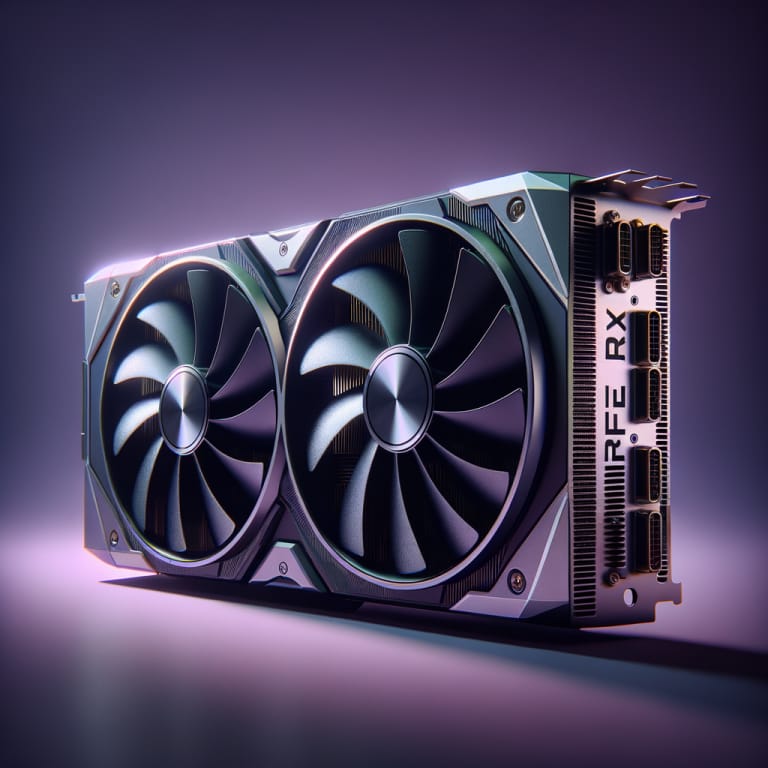
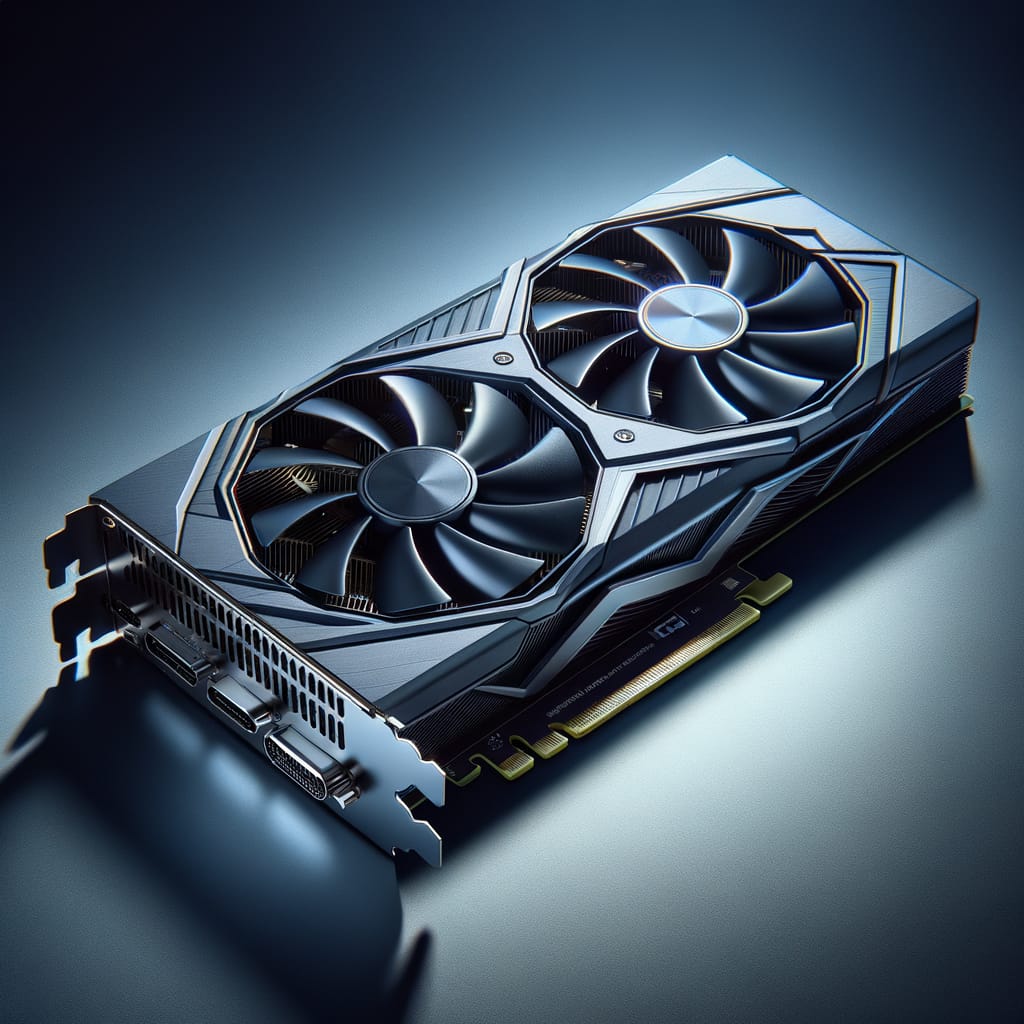
The RTX 5090 is the first generation since the 3090 where Nvidia stopped pretending mainstream gamers were the audience. At $1,999 launch and a 575-watt TDP that demands a 1,000-watt PSU, this is a workstation card with a play button — and on its own terms, it is the most ridiculous piece of consumer silicon we’ve ever benchmarked.
4K native at maxed-out settings, the 5090 averages 118 fps in Cyberpunk 2077 with path tracing on, no DLSS — a number the 4090 can’t approach with any combination of frame-gen tricks. Without ray tracing the gap narrows but never closes: the 5090 finishes 28-34% ahead of the 4090 across our 12-game suite, and roughly double the AMD RX 9070 XT in titles where ray tracing matters. The new 4th-gen tensor cores make DLSS 4 multi-frame generation feel like cheating; we measured input latency that’s lower than the 4090 running native.
Founders Edition packs a triple-fan, dual-flow vapor chamber that sustained 82°C under our 60-minute Furmark loop with no thermal throttling. It’s quieter than the 4090 FE despite consuming 125 more watts. AIB partner cards run cooler still but most are now 3.5–4 slots — measure your case.
Power draw. The card spikes to 670W in transient peaks, and our PSU (1,000W Gold) tripped twice during stress runs until we swapped to a 1,200W. The 12V-2×6 connector is an improvement over the original 12VHPWR but you should still seat it carefully and inspect after a month. Driver day-one was rough — we waited for the 580.13 driver before benchmarking seriously.
Bottom line: If you have the budget, a recent CPU, and a power supply built this decade, the 5090 obsoletes everything. For everyone else, the 4090 remains a 95-cents-on-the-dollar alternative that’s now actually buyable.
Other top-scoring gpus we've tested. Tap a card to open a side-by-side breakdown.
Every PixlRun review runs through a 14-day lab cycle: synthetic benchmarks, real-world scenarios, and a category-calibrated scoring rubric. We buy or borrow at retail; we don't accept paid placements.
Read the full methodology →