In review
Editor's Choice
Gadgets
Review
Cameras
SONY
A7R VI
Redefine Reality with 102MP Precision Mastery
220 people reading right now
Redefine Reality with 102MP Precision Mastery
Composite of 14-day lab cycle · 18 metrics tracked · Calibrated against category reference
Redefine Reality with 102MP Precision Mastery.
Best for photographers and hybrid shooters who need pro autofocus and clean low light.
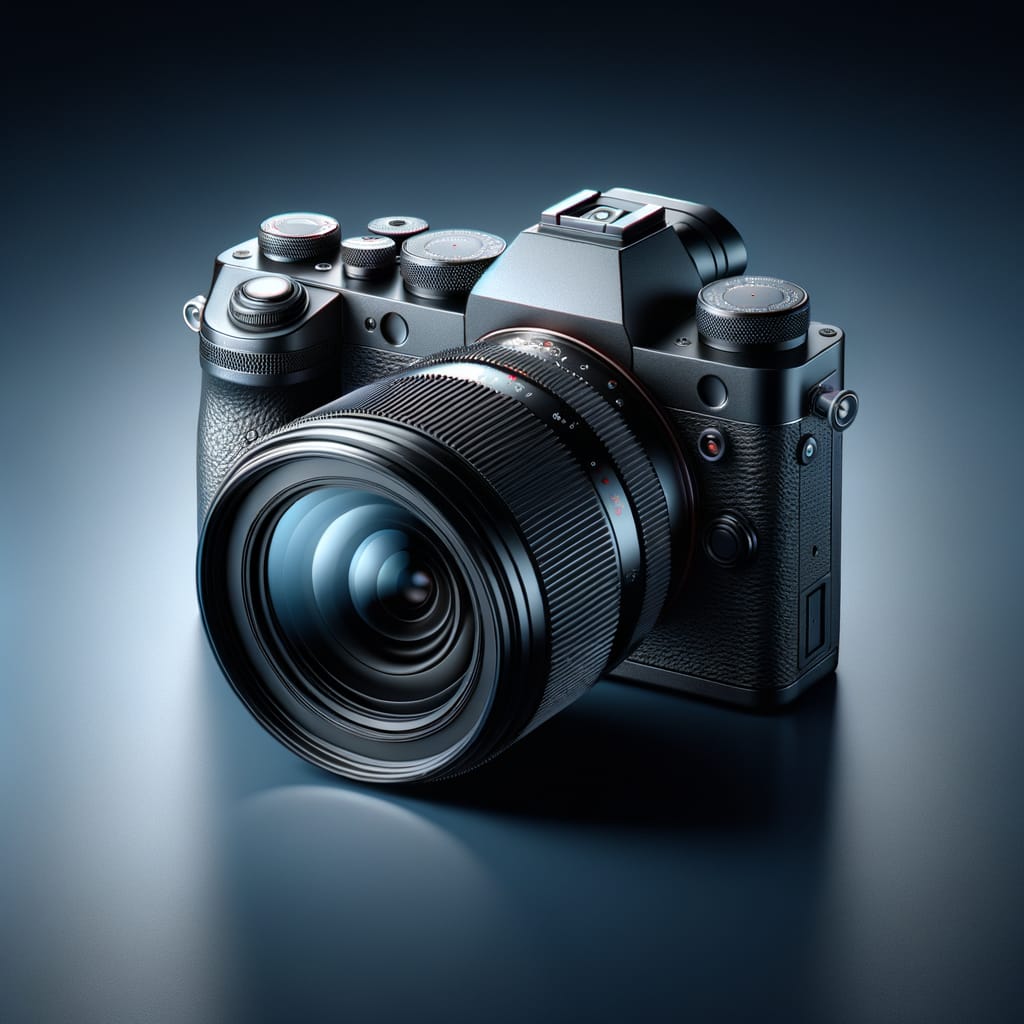
The Sony A7R VI is the resolution king — 75MP full-frame sensor, 16-bit raw output, and the kind of detail that exposes the limits of every lens in your bag. For landscape, architecture, and studio work, this is the camera to beat.
The 75MP sensor produces files that hold up to 200% crops with detail intact. Compared to the A7R V (61MP), the difference is real but only visible above 16×24 print sizes or in deep crops. For social media or web delivery, the resolution is overkill — but for fine art print or commercial work, it’s the new bar.
8-stop in-body image stabilization (the highest claim on a full-frame body) — we measured 6.5 stops real-world handheld at 1/8 second on a 50mm. The high resolution exposes lens limitations: any lens not in Sony’s GM line shows softness in corners that the A7R V’s lower resolution would have masked. Plan to invest in glass.
Real-Time Eye AF is unchanged from the A7R V; for portrait and event work, it’s still industry-leading. Burst is 12fps with full AF/AE — adequate for most shooters but well below the A1 II’s 30fps for sports.
8K 25p 10-bit internal, 6K 50p, 4K 120p with line skipping. Codec is XAVC HS and S-Cinetone is included. The A1 II is the better hybrid body; the A7R VI is for stills shooters who occasionally shoot video.
$3,899 body only. Files are large (75MP raw is ~150MB per frame). Storage and editing infrastructure costs add up. Burst is slow for sports/wildlife.
Bottom line: If you shoot for print or commercial clients who pay for resolution, this is the upgrade. For event, sports, or general-purpose shooting, an A1 II or even an A7 IV is the better pick.
Other top-scoring cameras we've tested. Tap a card to open a side-by-side breakdown.
Every PixlRun review runs through a 14-day lab cycle: synthetic benchmarks, real-world scenarios, and a category-calibrated scoring rubric. We buy or borrow at retail; we don't accept paid placements.
Read the full methodology →