The wait is finally over — or at least, mostly over. After years of rumors, leaks, and enough speculative Reddit threads to fill a library, Nintendo’s Switch 2 is no longer a whisper in the dark. It’s a confirmed, spec-sheeted, price-tagged reality, and honestly? It’s shaping up to be one of the most important hardware launches in gaming history. Not because it reinvents the wheel, but because Nintendo has quietly, methodically built something that could dominate living rooms and commutes alike for the next decade. Here’s everything we know so far — and why it matters more than you might think.
The Hardware: A Generational Leap (Finally)
Let’s start where it counts: under the hood. The Switch 2 is powered by a custom NVIDIA Tegra T239 SoC, a chip that Nintendo and NVIDIA co-developed specifically for this console. This isn’t the same aging Tegra X1 that’s been quietly chugging along in the original Switch since 2017 — this is a fundamentally different beast. The T239 features a 12-core ARM Cortex-A78C CPU cluster and an Ampere-based GPU with 1,534 CUDA cores, capable of delivering up to 4K output when docked using DLSS upscaling, and a smooth 1080p experience in handheld mode at up to 120fps in supported titles.
RAM has been bumped to 12GB of LPDDR5X, a massive upgrade from the original Switch’s 4GB, and internal storage starts at 256GB — though you’ll almost certainly want to grab a microSD Express card for anything resembling a modern game library. The dock itself has been redesigned to support USB-C charging, a USB 3.0 port, and a full HDMI 2.1 output. In short: Nintendo didn’t just iterate here. They built a machine that can genuinely compete with current-gen expectations.
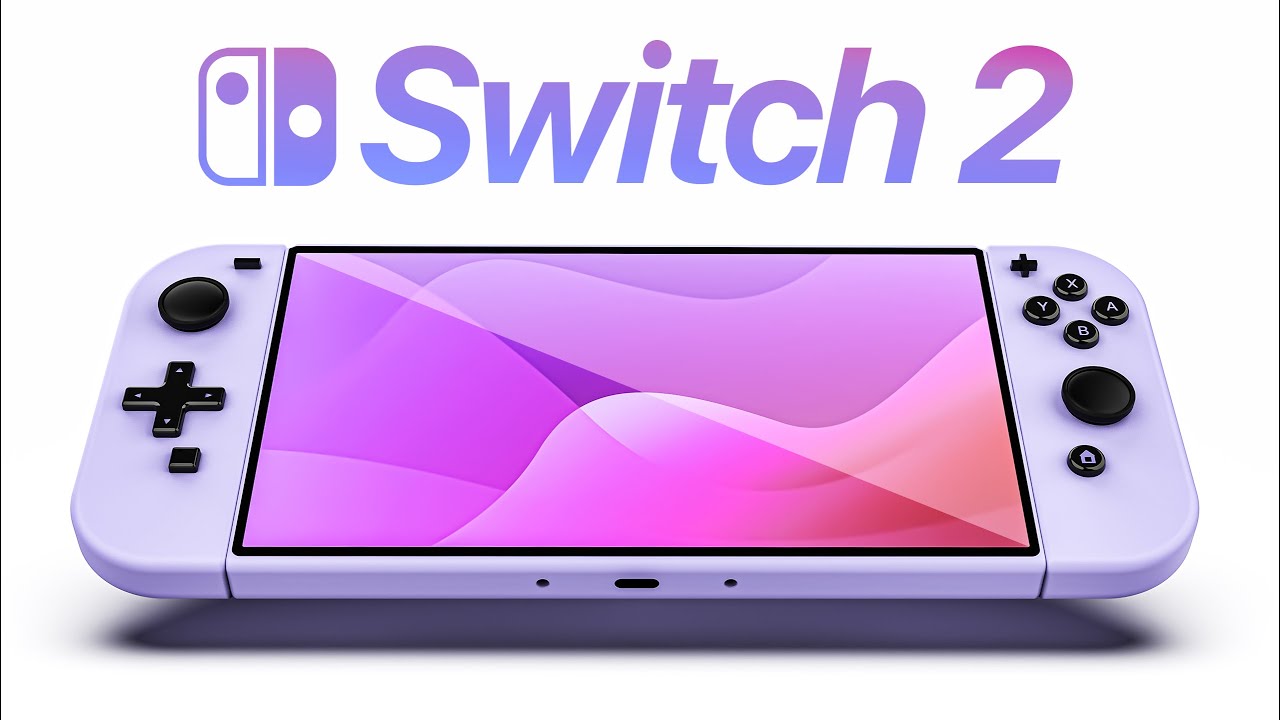
Early benchmark comparisons from Digital Foundry’s analysis suggest the Switch 2 docked performs roughly on par with an Xbox One X in raw rasterization, but DLSS 3 integration pushes perceived output quality significantly higher in titles that implement it well. For a portable device, that’s genuinely impressive — and it sets a floor that third-party developers can actually build on.
The New Joy-Cons: Magnetic, Mechanical, and Genuinely Better
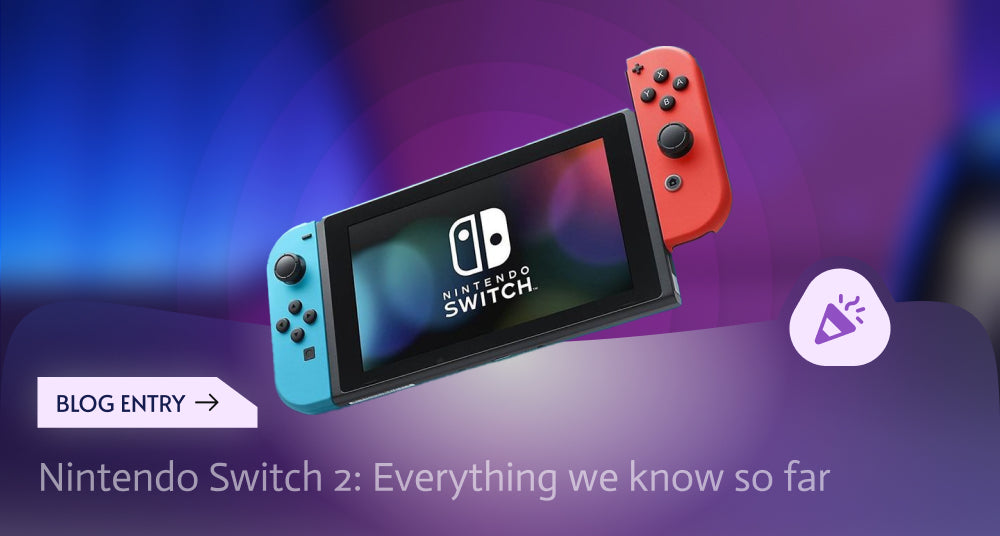
Perhaps the most talked-about physical change isn’t the screen or the processing power — it’s the new Joy-Con attachment mechanism. Gone is the fragile, spring-loaded rail system that had a habit of developing Joy-Con drift over time. The Switch 2’s controllers now use a magnetic click-on mechanism that attaches with satisfying, tactile precision. It feels premium in a way the original never quite managed.
The new Joy-Cons are also larger, which was desperately needed for anyone with adult-sized hands. They feature a new C button — currently confirmed for GameChat functionality, Nintendo’s built-in voice and video chat system — and the right Joy-Con includes what Nintendo is calling a “mouse-like” functionality when placed on a flat surface. This isn’t gimmick territory; early previews suggest it works surprisingly well for RTS titles and certain first-person shooters that would benefit from precision input.
“The new Joy-Con mechanism is the single best hardware decision Nintendo has made in years. It addresses a real, widespread problem and replaces it with something that feels genuinely next-generation.”
Drift concerns — the original Switch’s most notorious hardware failure — appear to be addressed through a redesigned analog stick mechanism, though Nintendo has been characteristically tight-lipped about the specific technical solution. Time, and a few months of heavy use, will tell the full story there.
Price, Release Date, and the Elephant in the Room
Here’s where things get a little contentious. The Nintendo Switch 2 launched in June 2025 at $449.99 USD — a price point that raised more than a few eyebrows. For context, you could pick up a PlayStation 5 Slim for roughly the same price at launch. Nintendo’s justification, broadly, is that you’re paying for the hybrid experience: a device that is simultaneously a portable console, a home console, and a social gaming platform.
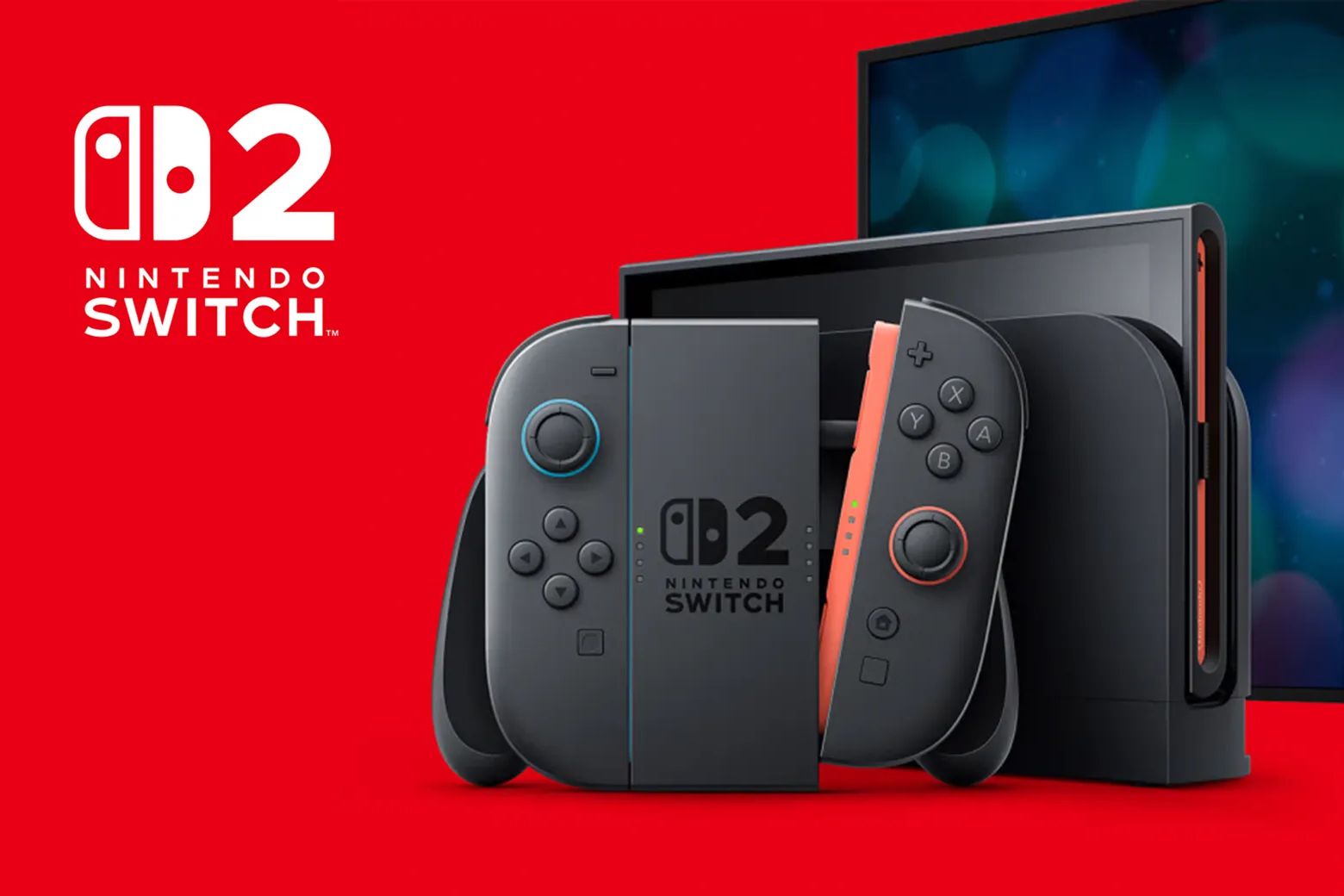
That argument has some merit, but it doesn’t fully excuse the $79.99 launch price for Mario Kart World, the first-party showpiece title. Nintendo’s game pricing strategy has long frustrated consumers, and by early 2026, the conversation hasn’t quieted down. The company has shown no signs of embracing deeper discounts or more aggressive sales, which is either admirable brand confidence or stubborn arrogance depending on your perspective. Probably a bit of both.
By Q1 2026, Nintendo reported selling over 15 million Switch 2 units worldwide — a pace that outstrips even the original Switch’s record-breaking launch trajectory. Consumer frustration with pricing clearly hasn’t translated into consumer reluctance to buy. The market has spoken, even if it’s grumbling while it does so.
The Game Library: Launch Lineup and What’s Coming
A console lives and dies by its software, and the Switch 2’s launch lineup was notably stronger than the original’s. Mario Kart World was the headliner — a genuinely gorgeous, feature-packed racing game that served as the definitive showcase for the hardware. Beyond that, the launch window included Donkey Kong Bananza, a new 3D platformer that quickly earned critical acclaim, and Metroid Prime 4: Beyond, a game that had been in development for so long it had become something of an industry joke before finally arriving.
Third-party support has been notably stronger this time around. Cyberpunk 2077, Hogwarts Legacy, and Resident Evil Village all received Switch 2-optimized ports with impressive visual fidelity, thanks to the DLSS pipeline doing heavy lifting. By early 2026, the library has grown substantially, with developers like FromSoftware, Ubisoft, and EA all confirming dedicated Switch 2 titles in development.
Nintendo Switch Online + Expansion Pack subscribers also gained access to a growing library of Nintendo 64, Game Boy, and GameCube titles — the latter being the most exciting addition for longtime fans who’ve been begging for Wind Waker and Metroid Prime rereleases for what feels like decades.
Verdict: Nintendo Got This One Right
The Nintendo Switch 2 is, in almost every measurable way, exactly what it needed to be. It takes the groundbreaking concept of the original Switch and delivers the hardware upgrade that concept always deserved. The display is stunning — a 7.9-inch LCD with HDR support and a 120Hz refresh rate — the Joy-Cons are improved in all the ways that matter, and the game library, while still Nintendo-priced, is broader and better than it’s ever been at this stage in a console’s lifecycle.
Is the $449.99 price point a bitter pill? Yes, absolutely. Is Nintendo’s game pricing still frustrating in an era of Game Pass and PlayStation Plus? Without question. But when you hold the Switch 2 in handheld mode, playing a docked-quality version of a game that would have been unthinkable on portable hardware five years ago, those complaints feel like background noise.
- Best for: Nintendo fans, hybrid gaming enthusiasts, families, commuters
- Consider alternatives if: You primarily game on a TV and already own a PS5 or Xbox Series X
- Bottom line: The Switch 2 isn’t just the best Nintendo hardware ever made — it might be the best argument for portable gaming that’s ever existed
Nintendo has a habit of making you feel silly for ever doubting them. With the Switch 2, they’ve done it again. Infuriatingly, impressively, inevitably.