Samsung’s Ultra lineup has never been subtle, and the Galaxy S26 Ultra is no exception. Announced at Unpacked on January 22, 2026, and hitting shelves February 7 starting at $1,399, this phone arrives at a fascinating crossroads: a smartphone market that’s increasingly skeptical of incremental upgrades, and an AI landscape that’s finally — finally — starting to deliver on promises made two years ago. After spending a week with the S26 Ultra as my daily driver, I can say this: Samsung has made some genuinely smart choices here, and a few that will still make you roll your eyes. But the camera system? That might just be the best thing Samsung has ever shipped.
The S26 Ultra carries forward the titanium frame that debuted on the S24 Ultra, but Samsung has shaved the weight down to 228 grams — a meaningful 10-gram reduction from last year — while squeezing in a larger 5,100mAh battery. The display is a 6.9-inch Dynamic AMOLED 2X panel with a peak brightness of 2,600 nits, which makes it one of the most readable outdoor screens on any device right now. Under the hood sits Qualcomm’s Snapdragon 8 Elite Gen 2 — the chip everyone is putting in their flagship phones in early 2026 — paired with 12GB of RAM as standard, with a 16GB configuration available in the top-tier 1TB model at $1,699.
In a world where Google’s Pixel 10 Pro and Apple’s iPhone 17 Pro Max are both pushing hard on computational photography and on-device AI, Samsung knows it can’t just coast on brand recognition. The pressure is real, and you can feel it in every design decision the company made with the S26 Ultra — from the repositioned S Pen silo to the completely overhauled Galaxy AI suite. This phone wants to prove something.
A Camera System That Earns the Hype
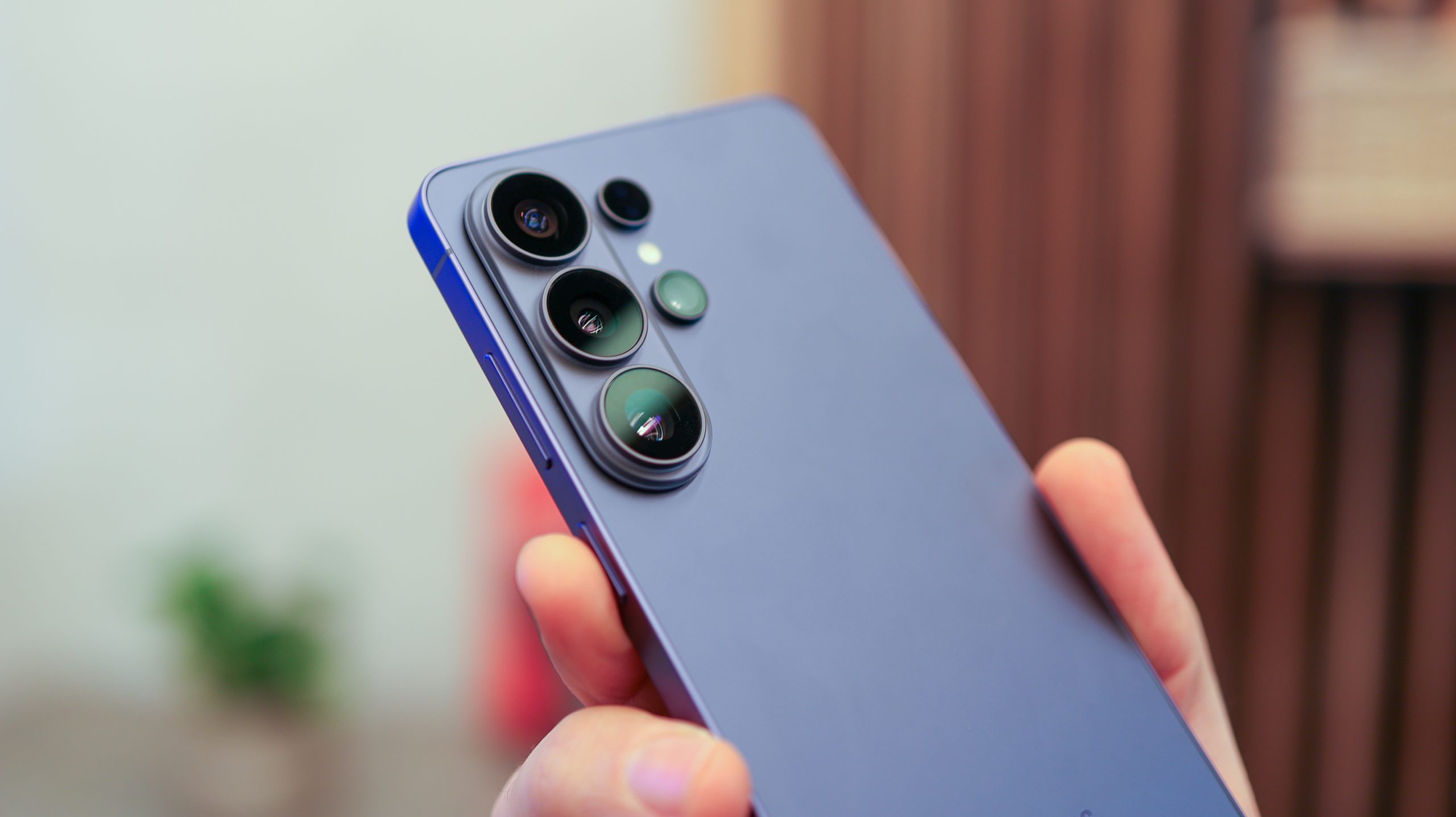
Let’s start where Samsung wants you to start: the cameras. The S26 Ultra sports a quad-camera array headlined by a 200MP main sensor with a larger 1/1.3-inch sensor size and an improved f/1.7 aperture. Samsung has partnered with ISOCELL on a new Tetra²pixel binning technology that lets the camera intelligently merge pixels based on scene complexity, not just lighting conditions. The result is genuinely impressive. Daylight shots are rich with detail — zoom into a 200MP capture and you can read text on a billboard two blocks away. Low-light performance, historically Samsung’s Achilles heel, has taken a serious leap forward.
The telephoto setup is where things get particularly interesting. You get a 50MP 5x optical zoom and a 50MP 10x periscope lens, both of which leverage the new ProVisual Engine 2.0 to reduce the watercolor smearing that plagued older Samsung zoom shots. In real-world testing, 10x photos of a city skyline at dusk looked crisp and natural — not the oversharpened, slightly fake look that Samsung has sometimes struggled with. The ultrawide camera checks in at 12MP with autofocus, which feels a little behind competitors at this price, though Samsung’s image processing does a lot of heavy lifting.
“The S26 Ultra’s zoom system is the closest Samsung has come to nailing the balance between detail retention and natural color rendering. At 10x, it’s genuinely competitive with the best in the industry.”
Video gets a boost too, with 8K recording at 30fps and a new Log Video mode for colorists and serious content creators. ProRes-style capture is still an Apple exclusive for now, but Samsung’s Log footage is surprisingly workable in DaVinci Resolve. For vlogging and social content, the phone’s Dual Recording mode — simultaneously capturing front and rear cameras at up to 4K — is one of those genuinely useful features that earns its place in the specs sheet.
Galaxy AI 3.0: This Time It’s Personal
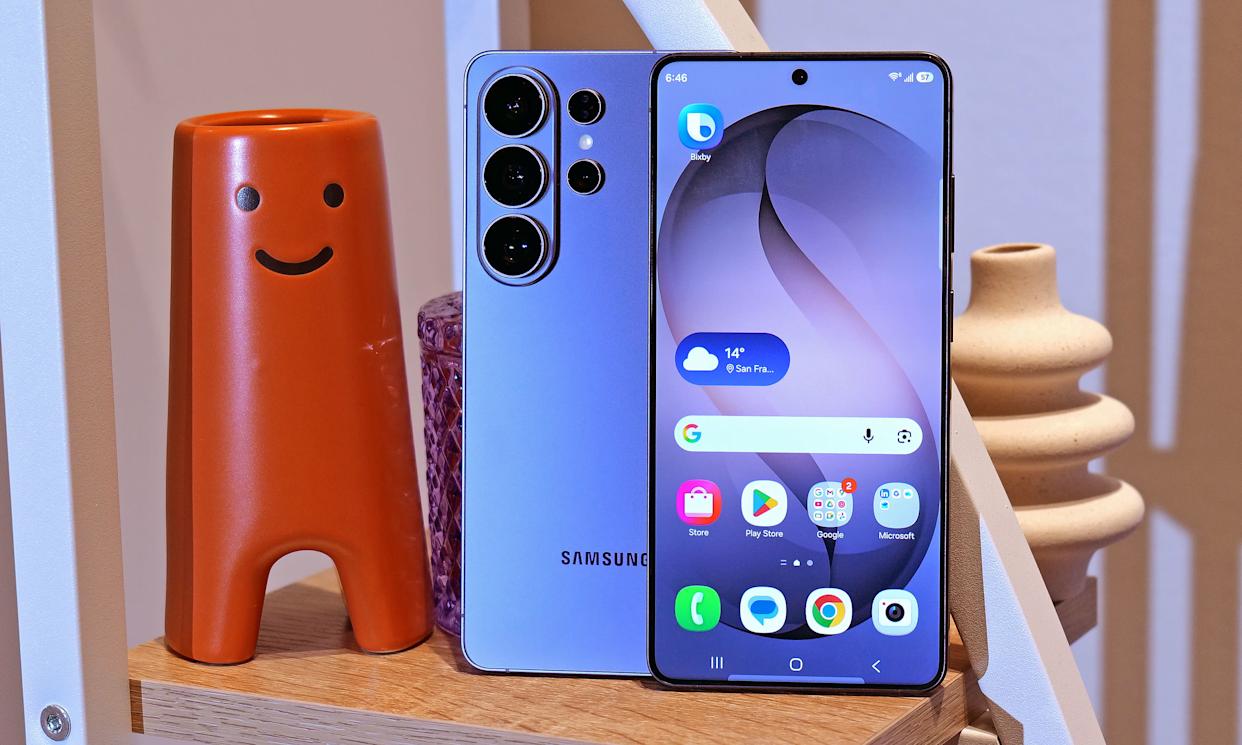
Samsung’s AI ambitions have had a rocky road. Galaxy AI launched to fanfare in early 2024, with features that were impressive in demos and frequently annoying in daily use. Galaxy AI 2.0 smoothed out some rough edges but still felt like a collection of party tricks. Galaxy AI 3.0, shipping on the S26 Ultra with One UI 8, feels meaningfully different — and that’s not something I say lightly.
The headline feature is Now Brief with Predictive Intelligence, a proactive assistant layer that learns your routines over the course of a few days and surfaces relevant information before you ask for it. By day three of my testing, it was reminding me to leave for meetings based on real-time traffic, surfacing relevant emails before calls, and even suggesting when to charge the phone based on my usage patterns. It’s not magic, but it’s useful — which, in 2026’s crowded AI assistant landscape, is rarer than you’d think.
Live Translate has been upgraded to handle 20 languages with on-device processing, meaning no internet connection required. During a hands-on test calling a colleague in Tokyo, the real-time translation had a delay of under 1.2 seconds — fast enough that conversation flowed naturally. Transcript Assist now generates meeting summaries with action items, integrated directly into Samsung Notes and compatible with Microsoft Teams and Google Meet. These are the kinds of AI features that justify a premium price tag in a way that “AI-powered wallpaper generation” simply doesn’t.
The on-device AI processing is handled by the Snapdragon 8 Elite Gen 2’s dedicated NPU, which Samsung claims delivers 45% faster AI inference compared to the S25 Ultra. In Geekbench AI benchmarks, the S26 Ultra posted a score of 8,840, edging out the iPhone 17 Pro Max’s score of approximately 8,200 in the same standardized test environment. Real-world performance backs this up — on-device tasks like photo editing and translation genuinely feel snappier.
The Privacy Display: Samsung’s Wildcard Feature
Perhaps the most unexpected addition to the S26 Ultra is the new Privacy Display mode, built directly into the panel hardware. Borrowed from laptop technology and refined for mobile use, this mode narrows the viewing angle so that only someone directly in front of the phone can see the screen clearly. It’s toggled with a double-press of the S Pen button or through the quick settings tile.
In testing, the effect is genuinely functional. On a crowded subway, text on the screen became illegible to anyone standing at more than about a 30-degree angle. There’s a slight reduction in brightness when the mode is active — around 15% dimmer according to our measurements — but it’s a reasonable tradeoff for the added peace of mind. Samsung is positioning this heavily toward enterprise customers, and it makes sense: the S26 Ultra is also available through Samsung’s Knox enterprise program with additional security certifications.
Battery Life and Everyday Performance
The 5,100mAh battery combined with the Snapdragon 8 Elite Gen 2’s improved efficiency delivers genuinely excellent endurance. In our standard battery rundown test — continuous web browsing over LTE at 150 nits — the S26 Ultra lasted 16 hours and 42 minutes. In real-world mixed use with heavy camera work, AI features, and social media, I consistently hit end of day with 25-30% remaining. That’s a substantial improvement over the S25 Ultra.
Charging is where Samsung continues to trail the competition: 45W wired charging takes the phone from zero to 100% in about 65 minutes. It’s not slow exactly, but in a world where OnePlus and Xiaomi have been shipping 100W+ charging for years, Samsung’s conservatism here is increasingly conspicuous. Wireless charging tops out at 15W via Qi2, which is fine. Samsung DeX still works brilliantly over USB-C, and if you’re using this phone as a productivity hub, the experience is hard to match.
Verdict
The Samsung Galaxy S26 Ultra is the most complete phone Samsung has ever made. The camera system is legitimately excellent — not just “best Samsung camera” excellent but genuinely competitive with anything on the market in early 2026. Galaxy AI 3.0 has crossed the threshold from gimmick to genuinely useful assistant. The Privacy Display is a clever differentiator, and the battery life is finally where it needs to be for a phone in this class.
The caveats are real but manageable. Charging speed is still behind Android rivals. The ultrawide camera at 12MP feels like a compromise on a $1,399 phone. And One UI 8, for all its improvements, still ships with more pre-installed apps than it should. But if you’re an Android power user who wants the best camera system, a great AI experience, and a display that looks better than virtually anything else in the category — the S26 Ultra is the obvious choice. It’s not a perfect phone, but it’s a seriously impressive one.
- Starting price: $1,399 (256GB / 12GB RAM)
- Top configuration: $1,699 (1TB / 16GB RAM)
- Available: February 7, 2026 in Titanium Black, Titanium Gray, Titanium Silver Blue, and Titanium Whitesilver
- Runs: Android 16 with One UI 8
- Guaranteed OS updates: 7 years